


 Listen Live
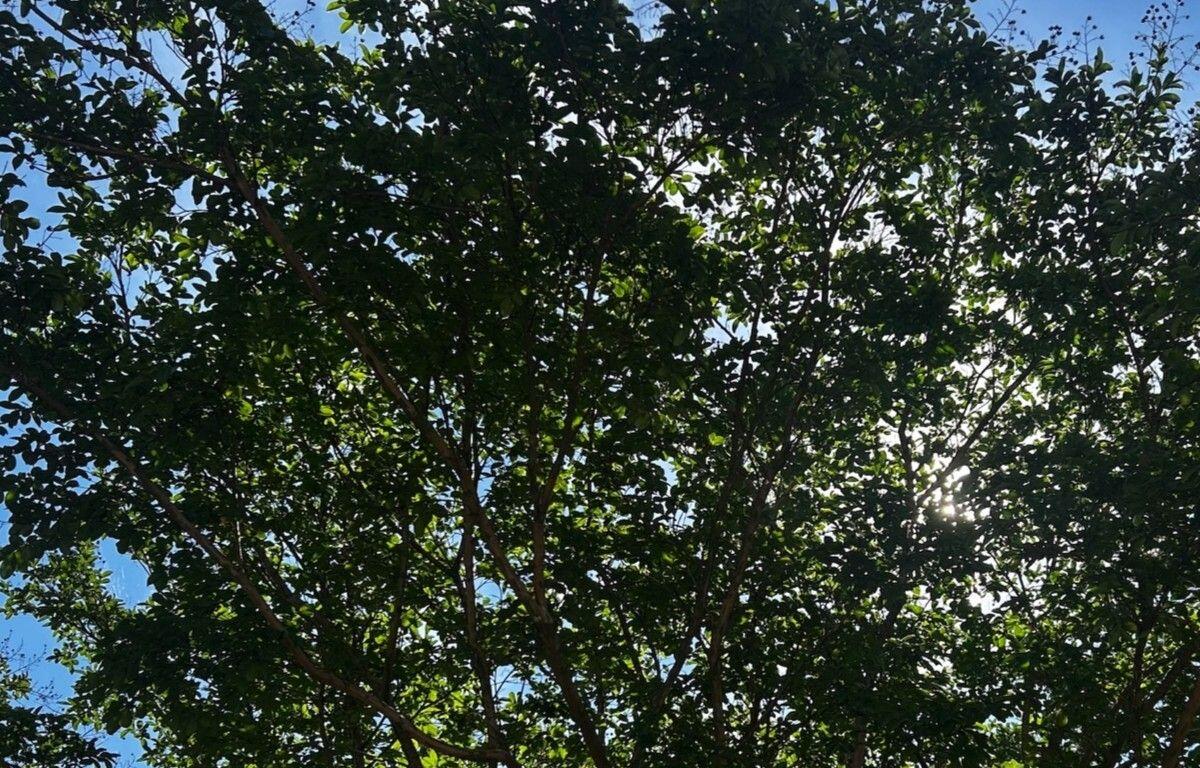

The study introduces what organizers describe as a first-of-its-kind financial valuation model that assigns a dollar value to urban trees, providing city planners, developers and policymakers with a new tool to evaluate the economic impacts of tree preservation versus removal during construction projects.
Using the model, a team of Darden graduate students analyzed four mature oak trees near the Kindlewood development site in Charlottesville. Their findings showed that preserving the trees would generate a 25-year return on investment of 25.8%, significantly exceeding the long-term average returns typically associated with the S&P 500.
“This rigorous financial model proves that trees make money,” said ReLeaf Cville Executive Director Cathy Boyd. “City planners and developers now have a financial tool in their belts to determine if trees will generate more than just shade and beauty for their projects.”
The study found that preserving the four mature trees would create a 25-year Net Present Value (NPV) of approximately $304,000. In contrast, removing the trees and replacing them with newly planted trees would generate an NPV of only about $1,500 and an Internal Rate of Return (IRR) of 4.2%. Complete removal without replacement was found to result in a negative economic impact of roughly $40,000 over the same period.
Researchers said the financial benefits stem from several factors, including increased property values, ecosystem services and enhanced commercial activity associated with mature tree canopy.
“Traditional tree valuation methods have not fully captured the long-term financial value a mature tree generates,” said McKenzie Snow, a member of the Darden MBA Class of 2026 who worked on the project. “This model goes further, quantifying that value over its remaining life, in property value, ecosystem services and commercial activity. The financial case holds up whether you’re presenting to a city planner, a developer, or anyone else at the table.”
Among the study’s key findings was the impact mature trees have on surrounding property values. Researchers estimated that mature trees contribute an immediate 4% premium to the assessed value of the $13.7 million property examined in the study. Newly planted replacement trees, by comparison, were found to contribute only about a 0.5% premium.
The report also highlights the long timeline required to replace the environmental benefits of established trees. According to the study, a newly planted tree may take between 50 and 75 years to approach the canopy size and ecosystem services currently provided by mature oaks.
Keith Pitchford, vice chair of the ReLeaf board and a licensed arborist and forester, said the findings could help reshape how communities approach development decisions.
“This study considers trees not as an aesthetic nice-to-have, but as a benefit to a developer’s bottom line,” Pitchford said. “By adopting this financial tree valuation model as a standard for urban development proposals, Charlottesville can provide a blueprint and dataset for other municipalities across the country.”
Supporters of the study say its findings demonstrate that housing development and tree preservation are not mutually exclusive goals.
“There is a common belief in Charlottesville that development and tree preservation cannot happen together. That simply is not true,” said Peggy Van Yahres, ReLeaf Cville co-founder and board chair. “Cities across the country are successfully building housing while protecting mature trees. The goal is balance: more housing, healthier neighborhoods and stronger long-term property value.”
ReLeaf Cville plans to continue refining and expanding the financial model through an ongoing partnership with Darden students participating in the Golub Capital Board Fellows Program. The initiative allows second-year MBA students to serve on nonprofit boards while leading strategic projects for local organizations.
Advocates hope the model will provide local governments and developers with a clearer understanding of the economic value trees contribute to urban landscapes, potentially influencing future planning and development decisions both in Charlottesville and beyond.