


 Listen Live
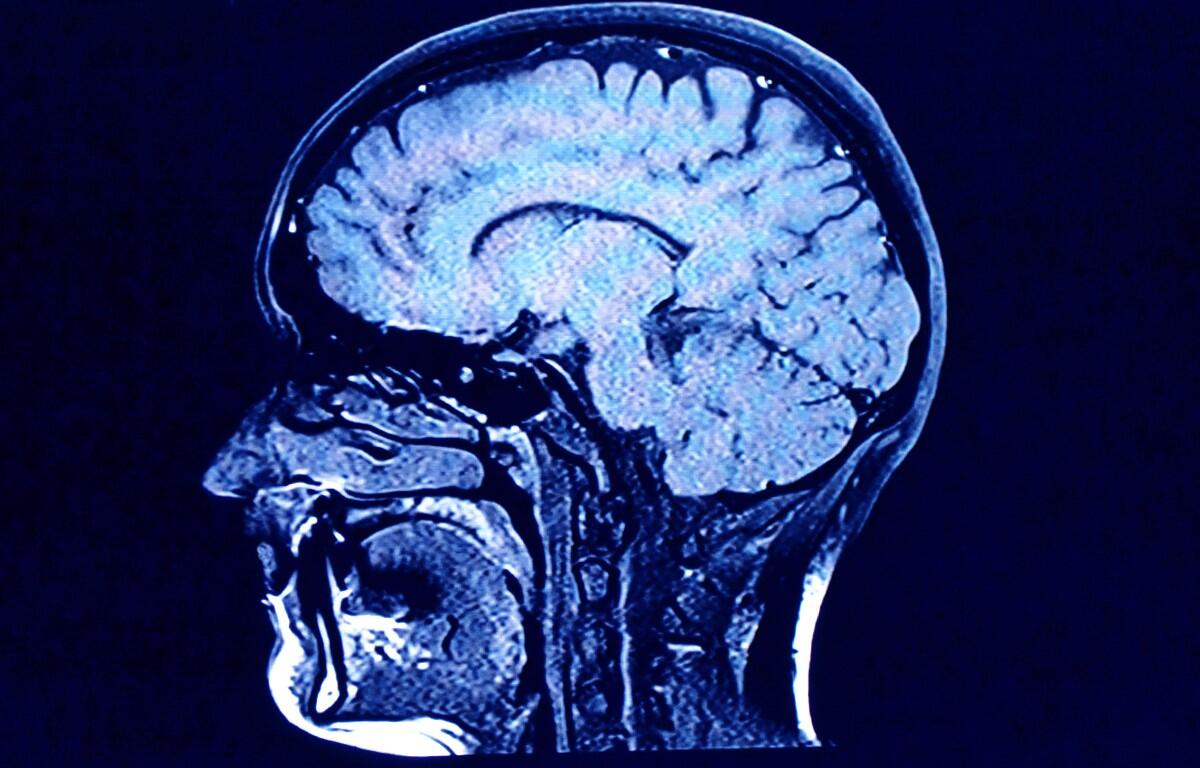

CHARLOTTESVILLE, VA (CVILLE RIGHT NOW) – Researchers at UVA Health have uncovered encouraging findings that could help improve treatment for some of the deadliest forms of brain cancer by using focused ultrasound technology to deliver drugs directly into tumors.
The study, recently published in the journal Radiology, found that gliomas — the most common type of primary brain tumor in adults — may actually be more receptive to targeted drug delivery than healthy brain tissue.
One of the biggest challenges in treating brain tumors is the blood-brain barrier, the body’s natural defense system that blocks harmful substances from reaching the brain. Unfortunately, that same barrier also prevents many potentially life-saving cancer drugs from reaching tumors.
UVA researchers are working to overcome that obstacle by combining focused ultrasound with microscopic “microbubbles.” When activated by sound waves, the microbubbles temporarily and precisely open the blood-brain barrier, allowing medication to reach the tumor without surgery.
The new research suggests the technique remains effective even within brain tumors, where the blood-brain barrier is often altered and unpredictable.
“The outcome is exciting because it means that focused ultrasound delivery performance is not expected to diminish in brain tumors,” said Dr. Richard Price, co-director of UVA Health’s Focused Ultrasound Cancer Immunotherapy Center. “In fact, it may even be enhanced for some types of therapeutics.”
Researchers also identified what they describe as a “Goldilocks” range for drug size. Medium-sized drug molecules appeared to enter tumors more efficiently than molecules that were either very small or very large, information that could help guide the development of future treatments.
Glioblastoma, the most aggressive type of glioma, remains one of the deadliest cancers. More than 10,000 people in the United States die from the disease each year, and despite advances in treatment, most patients survive only a few years after diagnosis.
To support the next phase of research, UVA recently added a new MRI-guided focused ultrasound system that allows scientists to both deliver treatments and monitor them in real time. Researchers say the technology will help refine how therapies are delivered and speed the transition from laboratory studies to patient care.
“This new MRI-guided focused ultrasound system gives our researchers the ability to both deliver treatment and monitor its effects with exceptional precision,” said Dr. James Stone of UVA Health.
University leaders say the findings reinforce UVA’s growing role in focused ultrasound research, an area that has expanded since the university launched the Focused Ultrasound Cancer Immunotherapy Center in 2022.
Although the work is still in the preclinical stage and additional research is needed before the technique can become a standard treatment, scientists say the results provide another step toward developing more effective therapies for patients facing brain cancer.
The research was funded by the National Institutes of Health and the UVA Focused Ultrasound Cancer Immunotherapy Center.