


 Listen Live
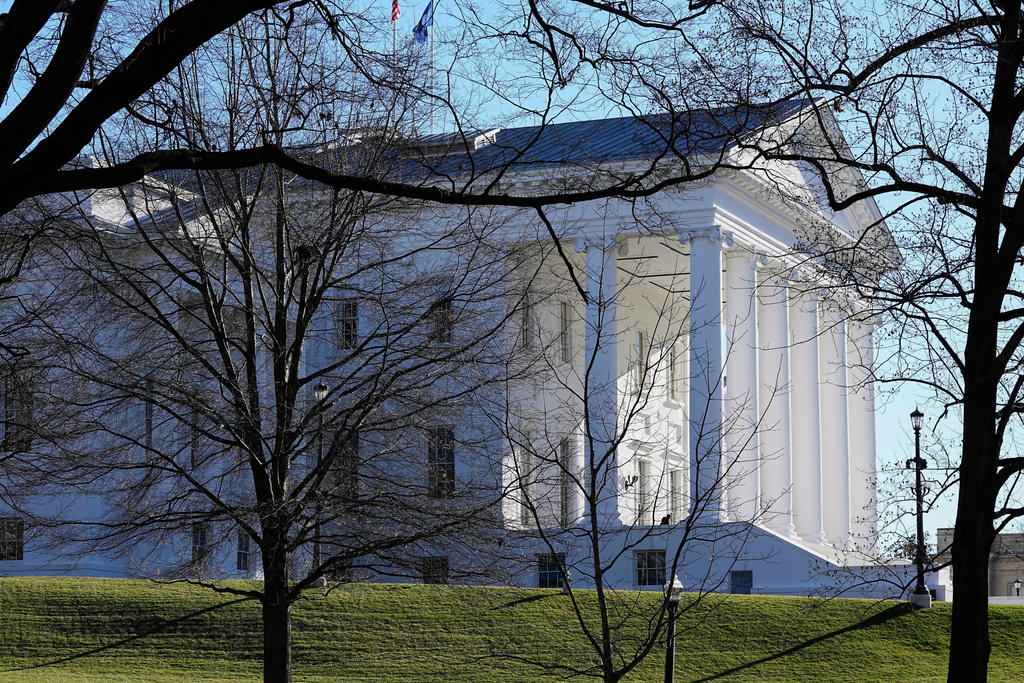

CHARLOTTESVILLE, VA (CVILLE RIGHT NOW) — The Virginia General Assembly approved 14 amendments to the state budget made by Gov. Abigail Spanberger on Monday, passing the 2027/28 budget and narrowly avoiding a government shutdown ahead of Wednesday’s deadline.
The Virginia House Democratic Caucus announced the budget’s passing in the House of Delegates Monday afternoon. State Sen. Creigh Deeds (D-Charlottesville) later confirmed to Cville Right Now that day the budget passed in the State Senate as well.
“This budget reflects our shared commitment to strengthening Virginia schools, expanding economic opportunity, and addressing the affordability crisis created by reckless policies out of Washington,” Gov. Spanberger said in a statement. “No matter the challenges we face, Virginians always come together to find a responsible, bipartisan path forward to better our Commonwealth.”
The new budget includes, among other things $2 billion in new education funding, marking the largest investment in public education in Virginia history, a $577 million investment in childcare and early childhood education and 4% raises for teachers and school support staff as well as 3.5% raises for state employment in each year of the biennium.
The budget also increased minimum wage to $13.75 in 2027 and $15 in 2028, in addition to a $47,7 million investment to raise wages for state employees, constitutional officers and home healthcare workers.
Other investments include $92 million for affordable housing as well as homelessness and eviction prevention programs, $150 million to lower health insurance premiums and $1 billion to count federal funding cuts and “economic uncertainty,” according to the House Democratic Caucus.
The budget will also fund the implementation of paid sick leave and family and medical leave.
“This budget delivers meaningful, targeted investments that lower costs where Virginians feel them most—housing, energy, healthcare, and childcare,” The House Democratic Caucus said in a statement. “It also includes the largest investment in public education in Virginia history, safeguards against future federal funding cuts, puts Virginia on the path to a $15 minimum wage by 2028, provides significant tax relief, and makes strategic investments to strengthen communities across the Commonwealth.”
The budget passed following a compromise last week over the data center tax policy which nearly derailed the budget process entirely.
The conference agreement that ended the logjam has data centers pay $1.2 billion total for the biennium, with $600 million paid each of the two years.
The $600 million each year would go into the state general fund.
However, the resolution did not repeal data center tax exemptions that are right now slated to continue until 2035, which Democrats hoped to do.
While state Democrats praised the long-awaited advancement of the budget, Republican struck a different tone.
“With one party controlling the Governor’s Mansion, the House, and the Senate, Virginians should expect a budget process that is transparent, timely, and accountable,” Virginia House GOP Leader Terry Kilgore said in a statement last week. “We never should have been put in this position, and taxpayers deserve better than governing by deadline and last-minute negotiations.”
Even with Spanberger adding 14 amendments late last week, the two houses passed the budgets as expected.