


 Listen Live
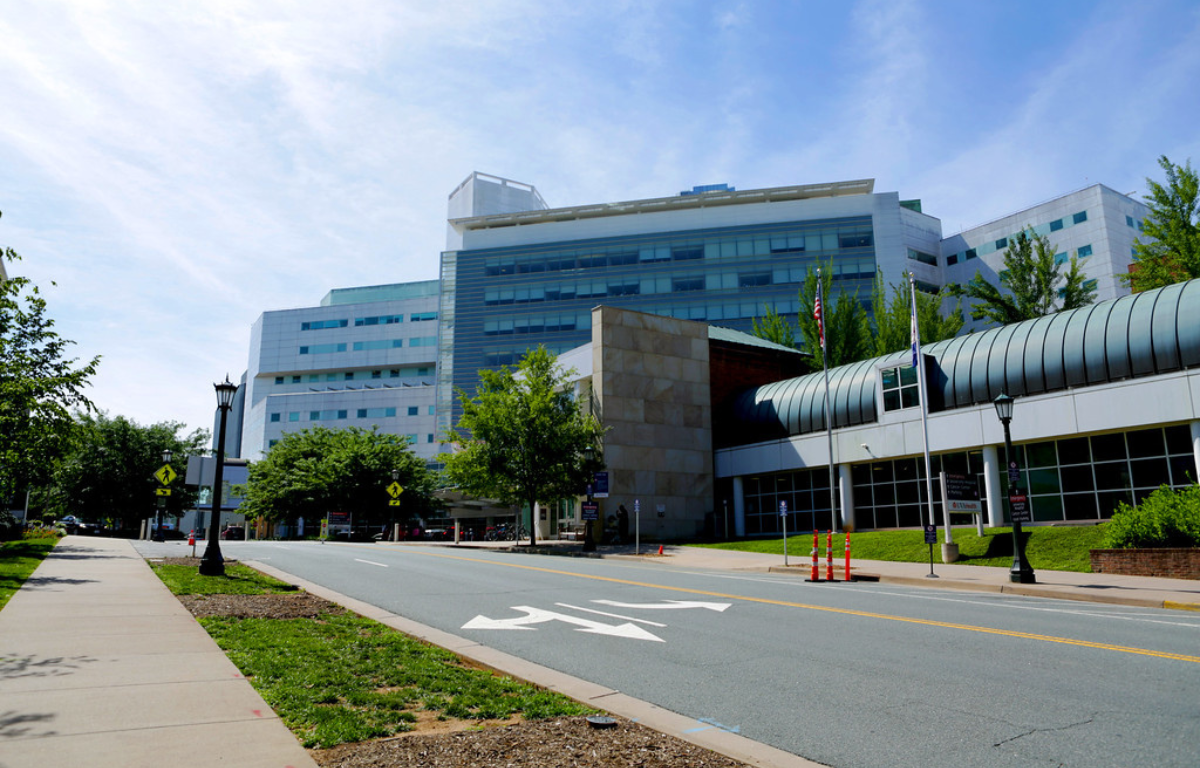

CHARLOTTESVILLE, VA (CVILLE RIGHT NOW)- Dr. Michael E. Ibrahim brought the state of Virginia into new territory by performing the first robotic-aided heart surgery at UVA Health on Aug. 14.
Ibrahim, who directed the Robotic Heart Surgery Program at the University of Pennsylvania before joining UVA Health, said his staff trained for 6-9 months before beginning surgeries using robotic instruments.
Procedures in and around the heart traditionally require a large incision in the chest that can severely limit a person’s mobility for 7-10 weeks following surgery. Use of robotics alleviates the need for wide chest incision, in favor of smaller incisions not more than one millimeter wide, with the largest cut not exceeding a centimeter in width. The instruments are then inserted using these smaller incisions, and the surgical equipment, held in robotic arms, is controlled by a surgeon remotely at a console.
Dr. Ibrahim said he believes the use of robotics in heart surgery benefits both the patient and the surgeon. The surgeon has greater visibility to perform the operation, as well as increased wrist action for added dexterity, since a mechanical wrist does not have the same limitations as a human one. The patient also is not bedridden for days following the surgery and is not saddled with the physical limitations that follow the traditional operation.
“Robotics has sometimes been seen as something for people who are young and healthy and want a quick trip home, but it’s also effective for people who might not be able to tolerate an invasive surgery,” Ibrahim said.
Ibrahim said the Aug. 14 surgery was performed on a patient late into that Friday evening, and the ease of the procedure allowed them to be discharged on Saturday morning.
According to Dr. Ibrahim, more patients are candidates for robotic heart surgery than for traditional open-heart surgery. Prospective patients are put through a CT scan to ensure no abnormalities are detected before the decision is made to proceed.
“I tend to decline a very small number of patients for robotics,” Ibrahim said, “…only if surgery is not for them, or if something pops up on the CT scan.”
UVA Health is currently the only hospital system in Virginia that offers robotic cardiac health services. With UVA already offering several types of robotic surgical programs, adding cardiac robotic surgery enhances the ways in which patients can be helped.
“We want to make sure that patients don’t have to travel in order to have the full gamete of possible options,” Ibrahim said. “Robotic cardiac surgery is changing a lot in terms of the things that it can do.”