


 Listen Live
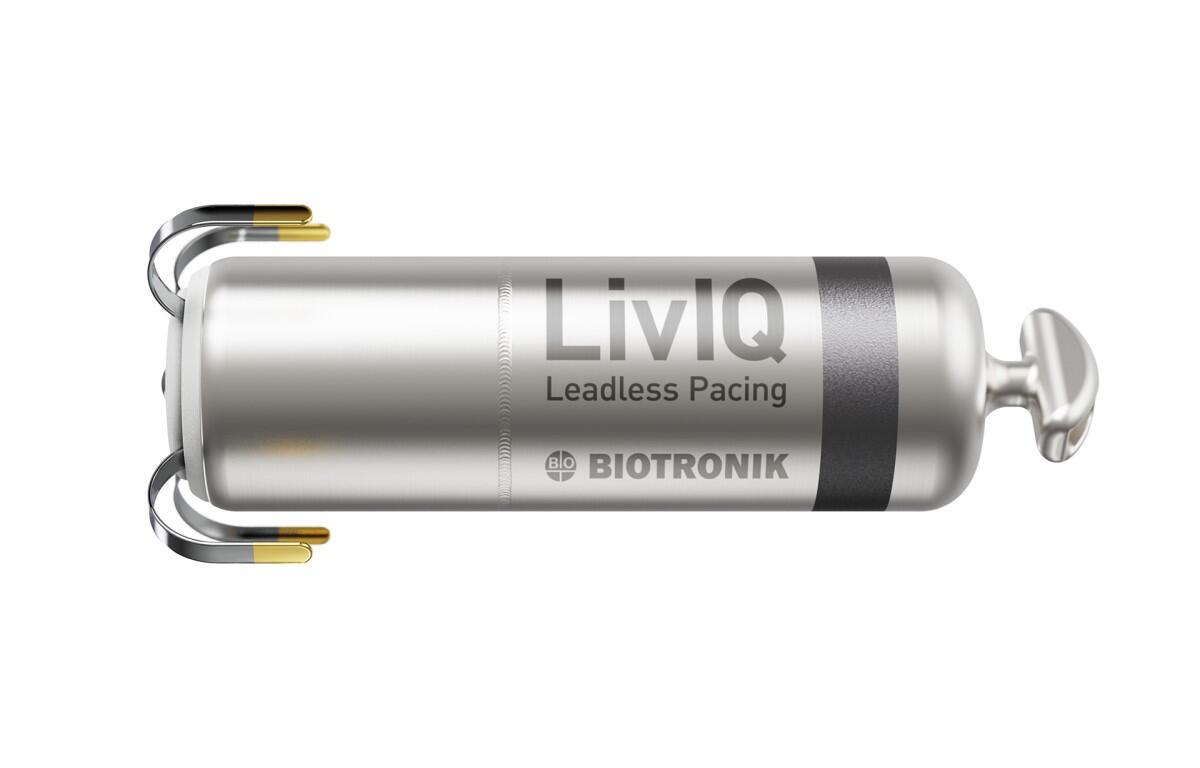

CHARLOTTESVILLE, VA (CVILLE RIGHT NOW) – Just a few months after UVA Health became the first in the MidAtlantic to implant a new wireless pacemaker for patients who have experienced heart failure, UVA Health is among the first nationally to implant a new wireless pacemaker for patients experiencing slow heart rhythms, it announced on Friday.
“We have been implanting leadless pacemakers here at UVA for the last 10 to 12 years, but this particular type of pacemaker that we’re implanting now, the Biotronik LiveIQ, represents some significant advances in leadless pacemaker technology, and we’re delighted to be able to offer that to our patients,” Dr. Oliver Monfredi, a UVA Health electrophysiologist specializing in heart rhythm disorders, said on a media call. “I’d just like to highlight the fact that in electrophysiology here at the University of Virginia, there is no commercially available pacing or defibrillator system that we don’t offer to our patients and, you know, we’re right at the forefront of accruing and emerging technologies.”
The traditional pacemaker that Monfredi said has worked great for 50-to-60 years is placed under the shoulder, typically underneath the collarbone, with a lead run in a vein, touching the heart at the far end.
“Over time, we’ve recognized that having leads in your circulation can be associated in some people with complications, including an increased risk of the lead getting infected, causing the valves of the heart to be leaky, or even causing narrowing and blockage of the big veins that are supposed to return blood back to the heart,” Monfredi said. “So, over the last 10 years or so we’ve developed the ability to deliver pacemaking using these leadless devices, which looks like a small bullet and typically. These leadless devices are implanted via the big vein at the top of your leg.
“We use moving X-ray to pass a catheter containing the leadless pacemaker into your heart.”
Monfredi said the main asset for the new Biotronik LiveIQ is the way it maintains a synchronized beating between the heart’s top and bottom chambers, a vital function, as the top chambers of the hear squeeze before the bottom chambers.
“In many patients who develop slow heart rhythms, the problem is that the signal from the top chambers of the heart doesn’t get through to the bottom chambers, and we can solve that with these leadless pacemakers, which we place in the bottom chamber of the heart.” Monfredi said.
But that leaves a problem — with the pacemaker in the bottom chamber, how does it see the signal from the top chamber and maintain synchronization?
“The beauty of this particular new device is that it has the ability, even though it’s in the bottom chamber of the heart, to see the electrical signal from the top chamber of the heart, to see this, what we call, ‘far-field signal,'” Monfredi said. “And in doing that, it can time the pacemaking that it delivers, so that the synchronization between the top and the bottom chambers of the heart is maintained.”
Monfredi later explained that certain medical conditions, medications like beta blockers and calcium channel antagonists, and tick-borne illnesses like lyme disease can trigger abnormally slow heart rhythms. The common symptoms include fatigue, lightheadedness, fainting, and shortness of breath during exertion, which reflect inadequate blood flow to vital organs.
He said patients with slow heart rhythms due to conduction problems between the heart’s top and bottom chambers are the main candidates for the LiveIQ pacemaker.
He also noted that while transvenous leads are still necessary for some patients, UVA is at the forefront of developing new technologies to reduce reliance on these leads.