


 Listen Live
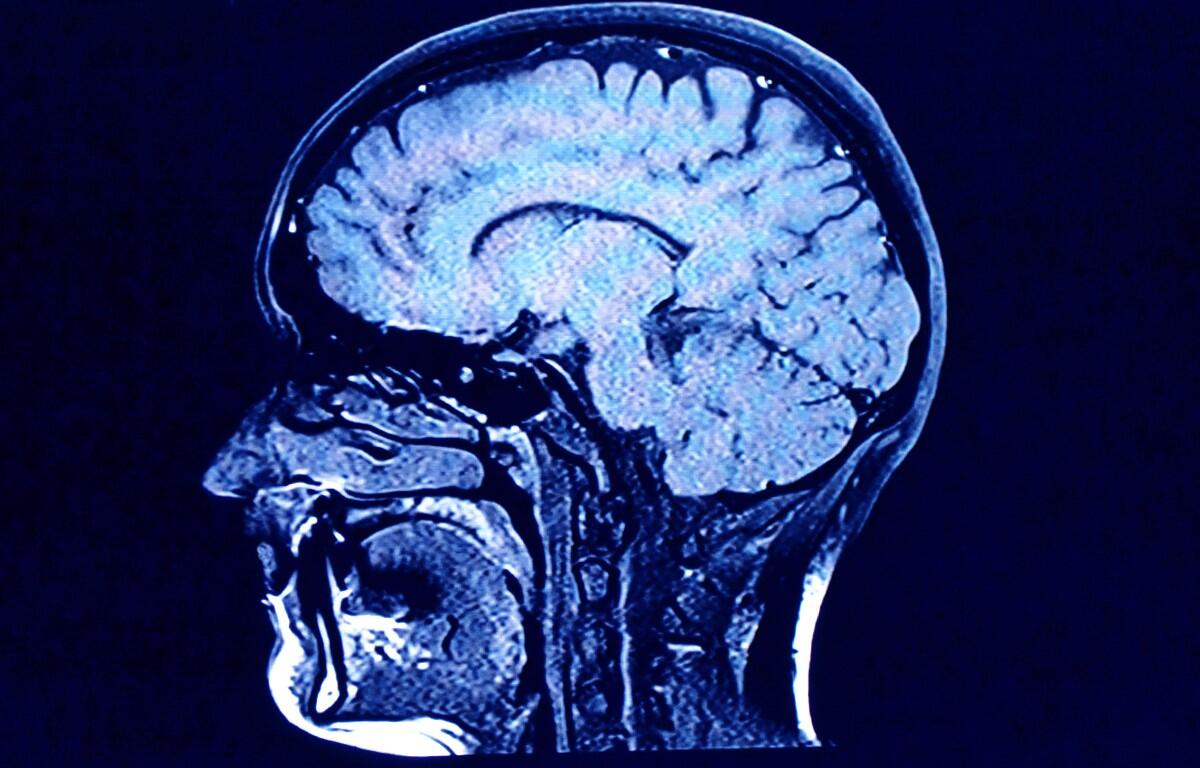

CHARLOTTESVILLE, VA (CVILLE RIGHT NOW) – A team of University of Virginia Comprehensive Cancer Center researchers have developed a new experimental approach targeting glioblastoma, the most common form and deadliest brain cancer, UVA Health announced Wednesday.
Dr. Roger Abounader, a professor of Microbiology, Immunology and Cancer Biology at UVA’s School of Medicine who also leads the team, told Cville Right Now the prognosis on a glioblastoma diagnosis is usually 3-6 months without treatment.
Surgery, radiation and chemo can extend it to 12-18 months, but the molecular changes are often voluminous and complex.
“Many of these molecular changes don’t have drugs that target them,” Abounader said. “And number two, if you combine several drugs if they existed, this would lead to an exponential increase in toxicity.”
Abounader and colleagues have identified “microRNAs” that can simultaneously suppress multiple malfunctioning genes responsible for glioblastoma’s formation and growth.
“The scientists use a combination of brain penetrating nanoparticles, focused ultrasound waves and microbubbles to deliver the miRNAs through the brain’s natural protective barrier – a barrier that typically blocks treatments for tumors and neurodegenerative diseases,” Abounader said. “We are hoping to translate our findings into future clinical trials for patients with glioblastoma and other brain tumors.
“MicroRNAs are small, naturally occurring molecules in humans, and they regulate gene functions, and they inhibit genes, and they can inhibit several genes at the same time.”
That means they can be developed and combat the gene triggers of cancerous molecules and avoid high toxicity levels.
More research will be needed before the approach could be tested in people, but Abounader says the results are a positive indicator for the approach’s potential not just for glioblastoma but for other cancers as well.
Glioblastoma is the most common and aggressive malignant brain tumor in adults, killing more than 13,000 people in America alone every year. It is difficult to treat because the tumors thread their way through healthy brain tissue, making them extremely hard to remove.
Doctors typically remove as much of the cancer as they can with surgery, then use radiation and chemotherapy to help patients survive as long as possible.
“This approach could have broad applications for several brain and other human diseases,” Abounader said. “We and many others are intensively working to lighten the burden of cancer, and hopefully also completely cure it, but this requires a continued investment in cancer and medical research.”
This latest discovery is a part of the core mission of both the UVA Comprehensive Cancer Center and the UVA Paul and Diane Manning Institute of Biotechnology.
The Compressive Cancer Center is one of only 57 cancer centers in the country to earn the elite “comprehensive” designation from the National Cancer institute, while the Manning Institute, which will open its facility in late 2027, has been launched to accelerate the development of new drugs and cures for complex and challenging diseases like glioblastoma.