


 Listen Live
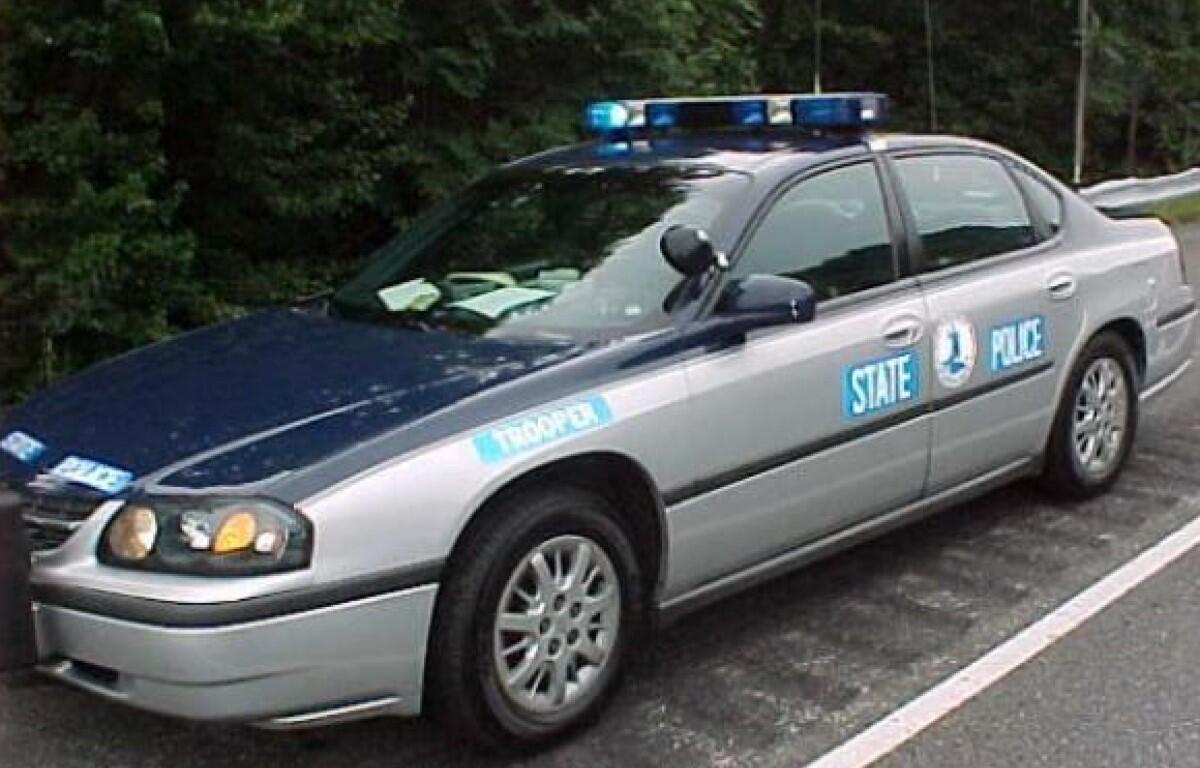

CHARLOTTESVILLE, VA (CVILLE RIGHT NOW) – In what figures to be a complex First Amendment case, the lawyer for the state trooper accused of leaving a threatening note on a neighbor’s door said Wednesday he intends to argue that the note did not threaten physical violence but warned of the possibility of an arrest, and that – within the law enforcement community – the phrase “F— around and find out,” carries a meaning that doesn’t inherently suggest violence.
State trooper Logan Pingley is facing a felony charge of extortion in writing after leaving a threatening on an Albemarle County woman’s door in November 2024. He appeared in Albemarle County Circuit Court on Wednesday for an evidentiary hearing.
Judge Cheryl Higgins did not rule on defense motions regarding potential evidence and lines of questioning, but did move up the start time for Pingley’s June 26 bench trial by three hours, to 10 a.m., to allow more time for witnesses and arguments.
Pingley’s attorney, Brady Nicks, told the court he intends to introduce evidence that the note was a warning to a neighbor who had been driving recklessly through Pingley’s Woodlands of Charlottesville apartment complex and who Pingley and other officers who lived there suspected was involved in other criminal activity.
Nicks told the court, “this case is about a vehicle,” a 2016 White Dodge Charger Hellcat with black racing stripes, a “loud car” that Pingley observed speeding around his neighborhood. Nicks said Pingley was once nearly hit by the car while he was walking his dog.
Nicks said Pingley also became aware the car was involved in multiple high-speed chases, eluding police, and – at one point – believed the driver and the car were aiding a suspect who was fleeing police by foot in the area. Nicks indicated he would introduce evidence at trial showing the driver, who he identified as Malik Howard, was – at the time – being investigated by federal narcotics law enforcement, as well as a local drug task force.
But Deputy Commonwealth’s Attorney Andrew Stephens argued that the evidence against car’s driver, Malik Howard, amounted to “character assassination” and lacked relevance since it was Howard’s girlfriend who officially resided in the apartment and who felt physically threatened by the note.
The woman told Cville Right Now in June that her boyfriend found a note on her apartment door shortly after 9 p.m. on Nov. 8 that read, “You’re not safe here” and “F— around and find out.” The couple reviewed doorbell video footage, then contacted the Albemarle County Police Department.
The woman checked her doorbell camera footage and then contacted the police. She said she did not recognize the man on the security video, but added her boyfriend had seen him around the neighborhood.
Police identified and then charged Pingley, who is on administrative leave pending the outcome of this case and an internal investigation by the VSP Professional Standards Division. He was arrested on June 4 of this year.
Wednesday, Pingley sat next to Nicks. Pingley wore a dark blue suit and took notes during the hour-long hearing. He had about a dozen family members and friends seated on his side of the courtroom.
Stephens argued that by leaving the note on the apartment door, “you’re threatening everyone in the apartment.”
He also indicated to the court that he would object to evidence and testimony that “F— around and find it” has a specific meaning within the law enforcement community, saying previous court cases have established limits on how much weight is given to lay witness opinions.
Nicks also told the court he was prepared to introduce evidence, including the fact that Pingley had previously dated a Black woman, to refute any assertion that the trooper’s behavior was racially motivated.
But Stephens told the court he was not anticipating that being an issue raised at trial.
Stephens told Higgins he expected to need about two hours for the Commonwealth’s case, expecting to call two witnesses. But after Nicks said the defense would need 3-4 hours for its case, which could include five or six witnesses, Higgins moved the start time up to 10 a.m.
Since Pingley has opted for a bench trial, Higgins will rule on the case and not a jury.