


 Listen Live
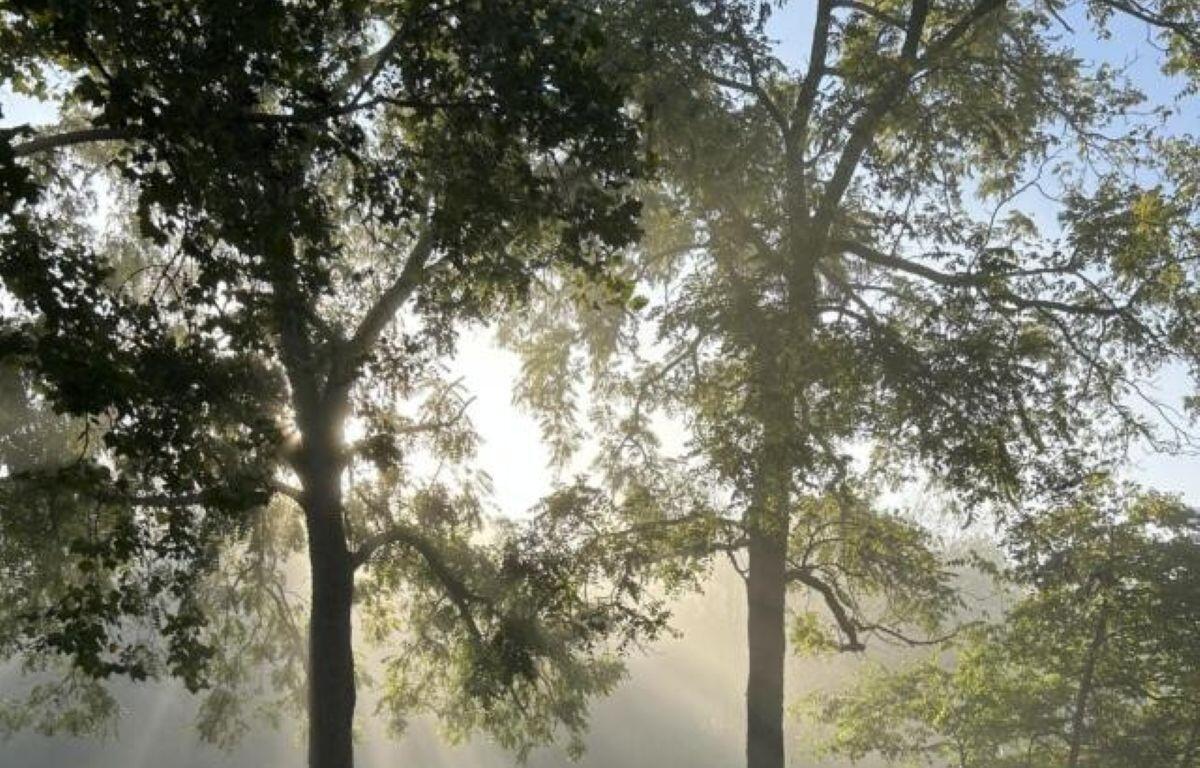

CHARLOTTESVILLE, VA (CVILLE RIGHT NOW) — ReLeaf Cville has nearly completed a major tree preservation project that provided free professional care to 100 mature trees owned by 56 homeowners in Charlottesville’s Fifeville and 10th and Page neighborhoods.
The effort was funded through a $190,000, three-year grant from the Virginia Department of Forestry focused on protecting existing tree canopy in neighborhoods with lower levels of shade coverage. ReLeaf Cville is now in the final year of the grant, which supports preservation work aimed at extending the life of mature trees and maintaining the environmental benefits they provide.
The nonprofit partnered with Charlottesville Tree Service, Davey Tree Experts and Van Yahres Tree Company to perform the work, which included pruning, removing invasive vines and addressing structural issues that could threaten tree health and safety.
According to ReLeaf Cville leaders, the preservation initiative grew out of the organization’s tree-planting efforts. While canvassing neighborhoods to identify locations for new trees, volunteers repeatedly heard from residents who were struggling to care for the mature trees already on their properties.
“We noticed that homeowners in that neighborhood had mature trees, but they were compromised with invasive vines and needed pruning,” Executive Director Cathy Boyd told Cville Right Now. “People were reluctant to plant new trees because they said, ‘We can’t take care of the trees that we have.’”
That feedback led ReLeaf Cville to develop a program focused on preserving existing canopy, particularly in neighborhoods where tree coverage is limited.
“We are focusing on neighborhoods that are lacking tree canopy and really need to save the big trees that they have,” Keith Pitchford, vice president of the ReLeaf Cville board told Cville Right Now. “Several homeowners would say, ‘I don’t want a new tree because I can’t take care of the one that I have.’ We realized there was a need to help people preserve the trees already providing benefits.”
For many homeowners, the assistance addressed a significant financial challenge. Professional tree care can cost thousands of dollars, making it difficult for some residents to maintain aging trees.
“The homeowners appreciated it tremendously because tree work is super expensive,” Pitchford said. “If we don’t take care of the tree, it could fail structurally, or a large piece of dead wood could come down and cause damage. We also removed a lot of English Ivy, which gives these trees a second chance.”
Boyd said the work performed by certified arborists can dramatically extend the lifespan of mature trees.
“They know the work they do can give a mature tree another 25 years,” she said. “The impact is that we extend the life of these trees, help homeowners, reduce energy costs through shade, increase property values and preserve the environmental benefits those trees provide.”
Residents initially greeted the program with skepticism, Pitchford said.
“At first they were kind of incredulous,” he said. “They thought there had to be a catch. But once they understood it was truly free tree care, word spread quickly. Now people are calling and asking if we missed their house.”
Preservation advocates say protecting mature trees is one of the fastest ways to address the urban heat island effect and build climate resilience. While newly planted trees are important for the future, large established trees are already providing shade, managing stormwater, improving air quality and storing carbon.
“It takes 20 years for a newly planted tree to really start providing significant benefits,” Pitchford said. “We don’t have 20 years. These big trees are giving us tremendous benefits right now. We can’t afford to lose them.”
Boyd echoed that message, emphasizing the role trees play in everyday life.
“Trees are not only beautiful, but they are doing a very important job for us,” she said. “They are cooling our streets and cleaning our air. Take care of them.”
The organization plans to preserve 50 additional mature trees in the 10th and Page neighborhood this year as the grant enters its final phase. ReLeaf Cville is also seeking additional funding to continue the program beyond the current grant period.
“We are looking for more funding to continue this program,” Boyd said. “Success, when the grant concludes, looks like many mature trees preserved so their environmental services continue and homeowners can enjoy them for years to come.”
In addition to its preservation efforts, ReLeaf Cville continues to engage residents through community outreach and youth education programs. The organization is also planning Charlottesville’s first-ever Tree Week celebration in early November, which will coincide with the University of Virginia’s Forest Urbanism Symposium.
Pitchford hopes the preservation program leaves residents with a simple but important message.
“Save your trees,” he said. “We can’t replace these big trees overnight. They provide tremendous benefits, and we have to be proactive about protecting them.”