


 Listen Live
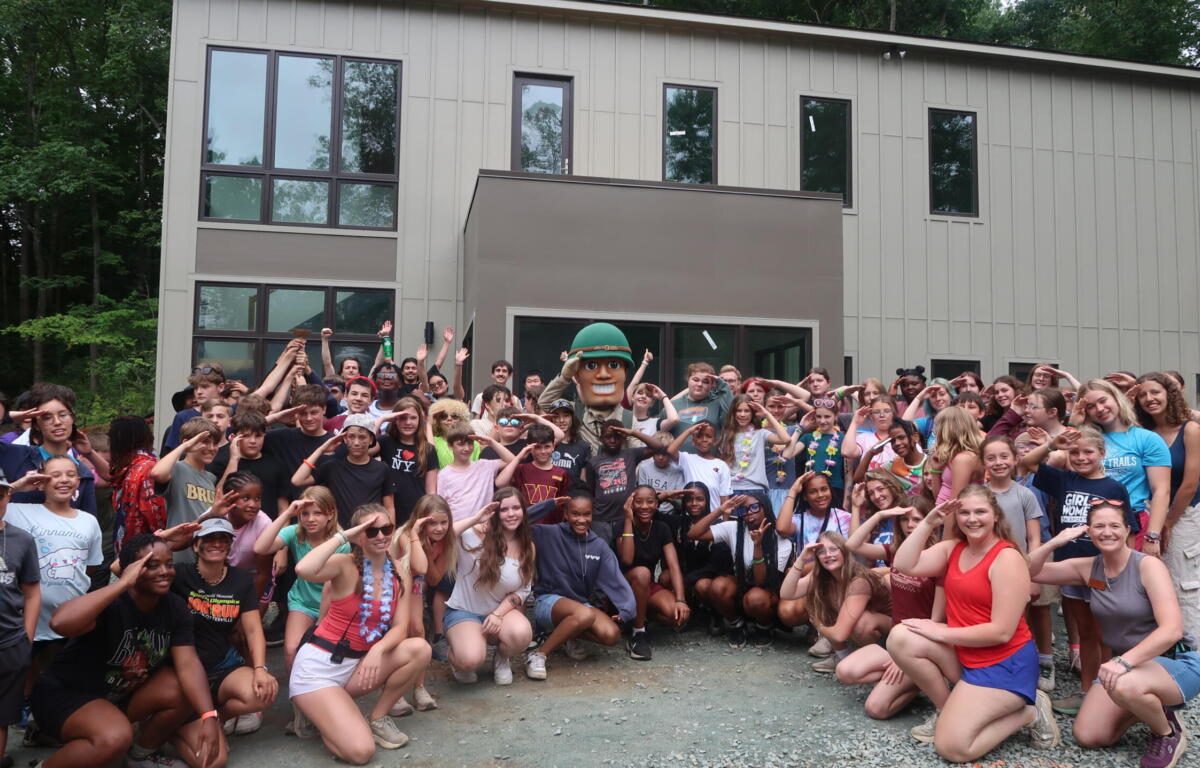

CHARLOTTESVILLE, VA (CVILLE RIGHT NOW) – Camp Holiday Trails, a Charlottesville-based nonprofit serving children and teens with medical needs and their siblings from across the Mid-Atlantic, is celebrating its 52nd summer season.
For more than five decades, the camp has focused on providing inclusive, medically supported outdoor experiences designed to help young people build confidence, independence and connection. Campers participate in traditional activities such as canoeing, kayaking, archery, horseback riding, arts and crafts, fishing, campfires and talent shows—all within an environment intentionally designed to emphasize belonging over diagnosis.
“There’s no room for exclusion here,” said Elise Bowen, Cabin Director at Camp Holiday Trails. “Not that traditional camps don’t try, but inclusion isn’t always highlighted the way it is here. We’re constantly adapting activities, communication and behavioral support so every camper can participate fully. Those small details add up to an experience that goes above and beyond.”
Bowen, who grew up attending a similar camp for children with disabilities, said the emphasis on inclusion shapes every part of the experience. “The main thing is being seen for all of who you are—even the hard or messy parts—and having that recognized instead of overlooked,” she said. “That attention to detail creates a place where campers can lean on each other and build real support systems.”
Camp leadership says that sense of community is especially powerful during its partnership with military-family programming through Camp Corral. This summer, roughly 70 campers are participating in the Corral sessions, which are designed specifically for children of wounded, ill, or fallen service members.
Camp staff say those sessions emphasize shared understanding and peer support. Counselors are trained to help campers navigate difficult conversations and to encourage cabin communities where young people can rely on one another. The goal, staff say, is not only recreation, but emotional connection and resilience.
“Camp Corral is really about understanding the support needs of our campers and making sure they have someone they can lean on and talk to,” Bowen said. “Our counselors are prepared to facilitate those conversations and help campers build bonds within their cabins. That sense of community is incredibly important.”
Campers in the Corral program echoed that sense of belonging. One 11-year-old camper, JW, said attending camp helped him connect with peers who understand his experience as a Gold Star child after losing his father. “It’s easy here because other people know what it’s like,” he said. “I’ve already met a bunch of friends. My counselors and bunkmates are awesome.”
JW added that favorite moments included challenge course activities, dodgeball and flag football, along with everyday camp traditions like s’mores and flagpole gatherings. “Being here feels different. People respect you and you can just be yourself,” he said.
Camp staff also emphasize the importance of integrating medical care into the camp experience without making it feel clinical. One counselor noted that on-site medical staff work closely with programming teams to ensure accessibility while keeping activities fun and engaging. The camp maintains a low camper-to-staff ratio and provides 24/7 medical support, including specialized care for chronic and complex conditions.
“Medical support is always present, but the goal is to let kids focus on being kids,” said Camp Holiday Trails counselor Cooper. “We try to make sure medical staff are part of the environment, so they don’t feel separate or intimidating, and campers feel safe trying new things.”
Camp organizers say the model helps children build independence and confidence while still receiving the care they need. Many campers, they add, gain skills in self-advocacy and leave with a stronger sense of identity and resilience.
Program leaders also highlight the emotional impact of camp traditions such as African drumming, petting zoos, talent shows, and “Wish Boat” ceremonies. “Every time we do African drumming, I cry,” Bowen said. “You see kids who are normally quiet become confident and joyful, stepping outside their comfort zones in a way that’s really powerful.”
Staff say the impact of camp extends far beyond the summer. “Camp gives kids a chance to think about what matters in their lives and who their heroes are,” said Peyton Smith, an office manager for Camp Corral. “It gives them space to just be kids, to connect with others who understand them, and to take a break from the challenges of daily life.”
The camp also maintains year-round programming and alumni engagement, with many former campers returning as counselors or staff. Organizers say that continuity helps reinforce a lasting community often described as a “camp family.”
As Camp Holiday Trails enters its 52nd year, staff say its mission remains consistent: to create a place where children can experience inclusion, independence, and joy. Or as campers and staff often say, “Camp is not the real world—but it is what the real world should be.”