


 Listen Live
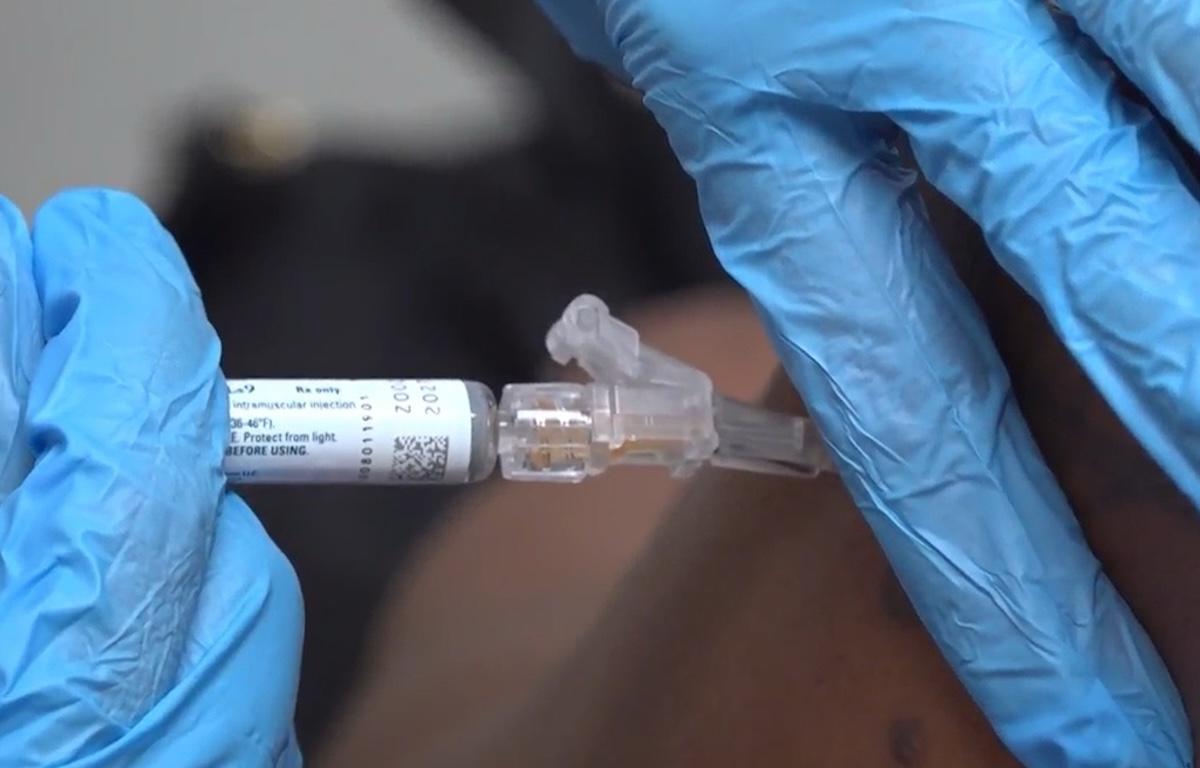

CHARLOTTESVILLE, VA (CVILLE RIGHT NOW) – About three weeks after saying flu had not arrived in the Charlottesville area but it was time to prepare, UVA Health University Hospital’s chief epidemiologist told Cville Right Now that it has arrived early.
The anecdotal stories at the time about influenza were primarily from the West Coast from people who had traveled overseas, and that has now manifested in an early flu season arrival that is spreading east.
“Test positivity rates is one thing that we track and what they’re seeing is the test positive rate for influenza is 7 or even up to 10%, so like 1-in-10 people who have been tested for the flu have the flu,” Dr. Sifri said. “Usually that’s 1 or 2% this time of year and there are some reports of hospitalizations.”
He’s not aware of significant hospitalization numbers or people who are seriously ill with it at this time. He said that occurs every year so people need to be prepared.
“We want to get the word out that we’re starting to see flu,” he said. “And it may be a month or so earlier than a typical time of year.”
The Virginia Department of Health’s respiratory disease data showed that, for the week ending Oct. 31, “overall respiratory illness activity in Virginia is low and trending up.” In the breakdown, COVID and RSV cases are stable, but the upward trend is attributed to an uptick in flu.
“You know, it’s even higher in other parts of the country and the time is now to get the flu vaccine as it takes two weeks or so to get the full effect,” he said. “Before things get worse, and I’m not saying it will definitely get worse but they should and likely will as we go into the winter, get the flu vaccine now so that you don’t have the Thanksgiving you don’t want or a bad December.”
Dr. Sifri said it’s very early to tell the efficacy of this season’s vaccine against this season’s strain, and there are very early indications it may not be as effective as would be liked. But historically when they’re not a great match, while it may not guard against infection, it definitely reduces the incidences of serious illness and hospitalizations.
“That also protects others around you,” he said. “If you have a shorter period of symptoms, you hopefully have less ability to transmit it to other people in your household or community.”
While he encouraged everyone to get vaccinated, he said it’s critical for those particularly at risk for serious complications from the flu such as young children, or adults 65 years old and older, pregnant women as it protects her and her pregnancy, and people with chronic respiratory disease like asthma, emphysema, diabetes, heart disease, or are immunocompromised.
In trying to figure out if it’s a cold or the flu, Dr. Sifri said there’s definitely an overlap.
“The flu is typically notable in that it’s something that hits you like a ton of bricks,” he said. “You may be feeling well, and then suddenly you have high fevers, sinus congestion, a sore throat, whole-body aches or severe muscle aches, and for some people a lot of headaches.”
If a person gets sick or further wants to prevent getting sick or getting others sick, Dr. Sifri said scrubbing hands with soap and water for about 20 seconds is effective, staying home when sick and for at least 24 hours after a fever subsides, cover coughs and sneezes and wash that part of the body that received the discharge immediately, and he said wearing a mask is effective at both getting sick or spreading it if sick.