


 Listen Live
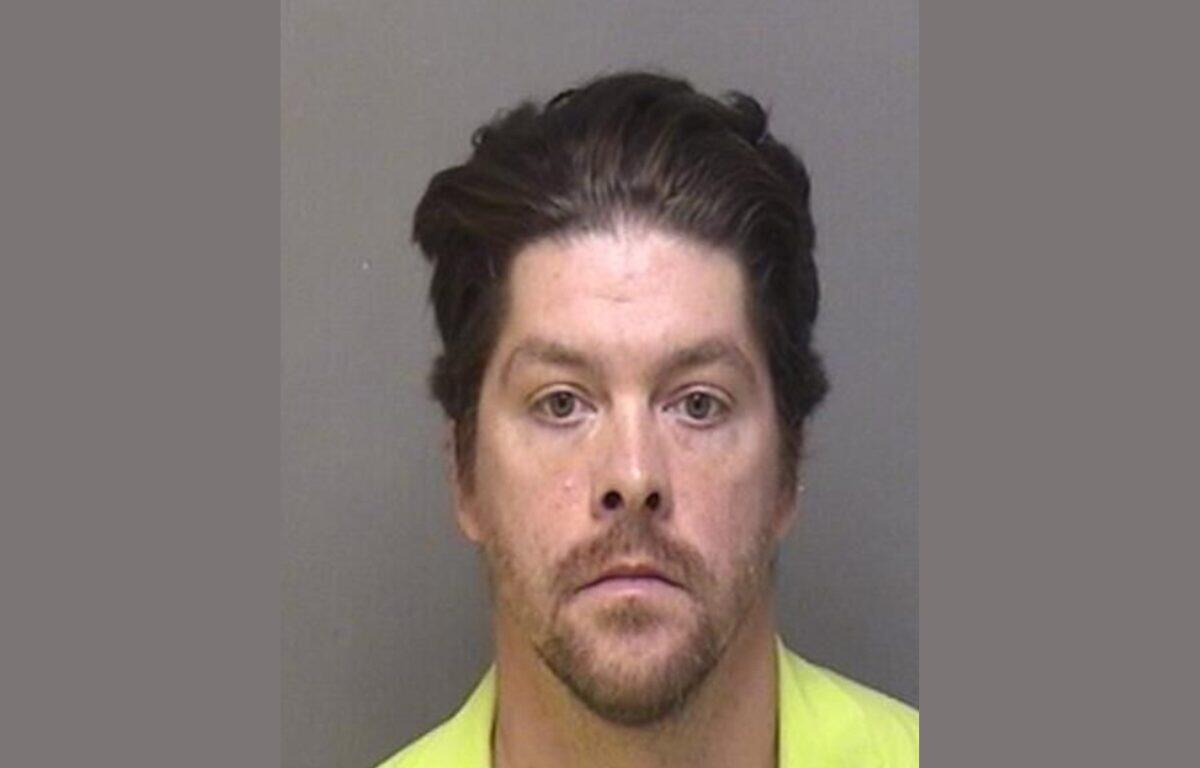

CHARLOTTESVILLE, VA (CVILLE RIGHT NOW) – Former Hollymead Elementary staffer Michael Swiney is set to appear in court Friday and will have another opportunity to be released on bond.
The Virginia Court of Appeals ruled on Sept. 25 that Albemarle County Circuit Court Judge Cheryl Higgins must explain her reasoning for denying a $50,000 secured bond to Swiney in August or release him on the bond.
If that bond had been granted, Swiney would have been placed on house arrest with no access to children besides his own 10-year-old and three-year-old, and with no access to the internet other than a family computer while under the supervision of his wife, Gail.
During the hearing, Higgins agreed with the argument made by Chief Deputy Commonwealth’s Attorney W. Lawton Tufts, who argued Swiney’s prior violation of rules and expectations as an elementary school staff member indicates a capacity to violate any rules set by the court.
However, in a decision made Sept. 25, the Court of Appeals questioned the decision, stating that Virginia Code requires a lower court to grant bail unless there is probable cause to believe the defendant would not appear for trial or that their liberty would cause an unreasonable danger to themself, their family or other household members, or the public.
“The record before this Court shows the lower court denied bond based not on a risk of flight but on ‘the risk’ posed by the defendant’s release,” the court’s ruling stated. “The lower court found the Commonwealth’s argument that defendant had allegedly violated known no contact orders compelling, and it expressed concern over household members if prohibited conduct occurred.
“Although these concerns were stated, it is unclear from the record whether the court found probable cause of an unreasonable danger, the nature of that danger, and why defendant’s proposed conditions of release, including GPS-monitored home confinement, would not be adequate.”
As such, Higgins will need to explain the basis of her ruling sufficiently, or Swiney will be released on bond, as outlined in the 2022 decision of “Keene v. Commonwealth.”