


 Listen Live
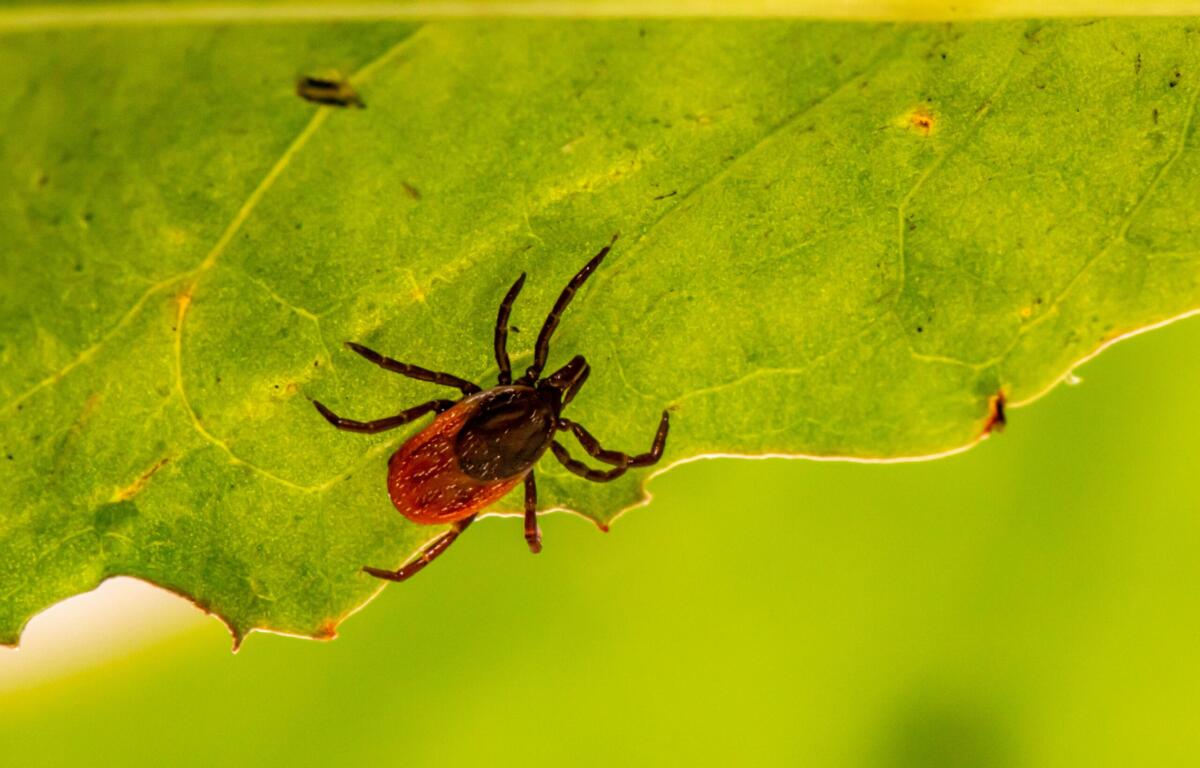

CHARLOTTESVILLE, VA (CVILLE RIGHT NOW) – Local homeowners, hikers and pet owners are being urged to take extra precautions this summer as tick populations appear to be surging across Central Virginia.
The warning comes as the Centers for Disease Control and Prevention reports that the 2026 tick season is on track to be one of the worst on record. In the Charlottesville area, pest control professionals say they are already seeing significantly higher tick activity compared to previous years.
“We’ve definitely seen a rise in tick activity — probably a 25 to 30 percent increase,” Ty Ashcraft, co-owner of Holistic Pest Solutions, told Cville Right Now. “Some of that has to do with the winter. Although we had freezing temperatures, it was very moist. Tick populations were able to get a good foothold and continue growing.”
Ashcraft said the two most common species encountered locally are deer ticks and Lone Star ticks, both of which pose unique health concerns.
“The deer tick is associated with Lyme disease,” he explained. “The Lone Star tick, with the white marking on the female, is the one associated with the red meat allergic response.”
Residents began noticing the increase as early as April, according to Ashcraft.
“When people started getting outside and enjoying the trails, we saw a huge tick increase,” he said. “Everybody’s complaining about them. They’re literally everywhere. People are pulling them off every day. It doesn’t matter if you’re just out walking the dog for 10 minutes.”
Health experts warn that rising tick populations often lead to increased opportunities for disease transmission.
“With an increase in population, there’s always going to be an increase in risk,” Ashcraft said. “Not only are there more ticks that can carry disease, but there’s also more exposure. People are out on trails, enjoying the outdoors, and coming into contact with them more frequently.”
Environmental conditions may be contributing to the trend. Ashcraft noted that while many people assume winter freezes eliminate insect populations, most species are surprisingly resilient.
“Insects in general are pretty hearty when it comes to surviving winter,” he said. “We had fairly mild, steady temperatures and plenty of moisture. It wasn’t an extreme heat situation, and heat is actually one of the biggest enemies of many insects.”
Ticks are commonly found in wooded areas, tall grass, leaf litter and dense vegetation. Experts recommend staying on established trails, wearing protective clothing and conducting thorough tick checks after spending time outdoors.
“If you’re walking on trails, stick to the well-worn path instead of venturing into overgrown areas,” Ashcraft advised. “Wear light-colored clothing so ticks are easier to spot, use repellents you’re comfortable with, and definitely check yourself as soon as you get home.”
Promptly removing ticks can significantly reduce health risks.
“A lot of the diseases carry the highest risk after a tick has been attached for several hours,” Ashcraft said. “If you catch them soon enough, there’s far less risk.”
For homeowners, prevention often starts with landscape maintenance. Keeping grass cut short, trimming vegetation and removing leaf litter can make yards less attractive to ticks.
“Lower grass creates more exposure to sunlight and heat, which ticks don’t handle very well, especially in their larval stages,” Ashcraft said. “Keep foliage around the house managed, rake up leaf litter and try to eliminate those dark, damp areas where ticks thrive.”
Many pest control companies also offer seasonal treatment programs designed to reduce tick populations around residential properties. Ashcraft said both organic and synthetic treatment options are available.
“Organic products, often in the lemongrass family, can work well as repellents and kill ticks on contact when applied,” he said. “Others choose synthetic treatments that provide longer-lasting control. Either way, the goal is creating a buffer around the property that helps keep tick populations down.”
Demand for professional tick prevention services has increased as residents become more aware of the risks.
“Every year seems a little worse,” Ashcraft said. “This year, I’m hearing about ticks from customers, landscapers, technicians, homeowners — everybody. It’s definitely become a topic of conversation.”
As the season continues, experts encourage families to remain vigilant, even during routine outdoor activities.
“The main thing is to keep it in the front of your mind,” Ashcraft said. “Even if you’re just taking the kids to the park, check yourself and check your family. If you catch ticks early, the risk is much lower. If you don’t, they can have a serious health impact.”
With tick activity expected to remain elevated throughout the summer, health officials and pest management professionals agree that prevention, awareness and regular inspections remain the best defenses against tick-borne illnesses.