


 Listen Live
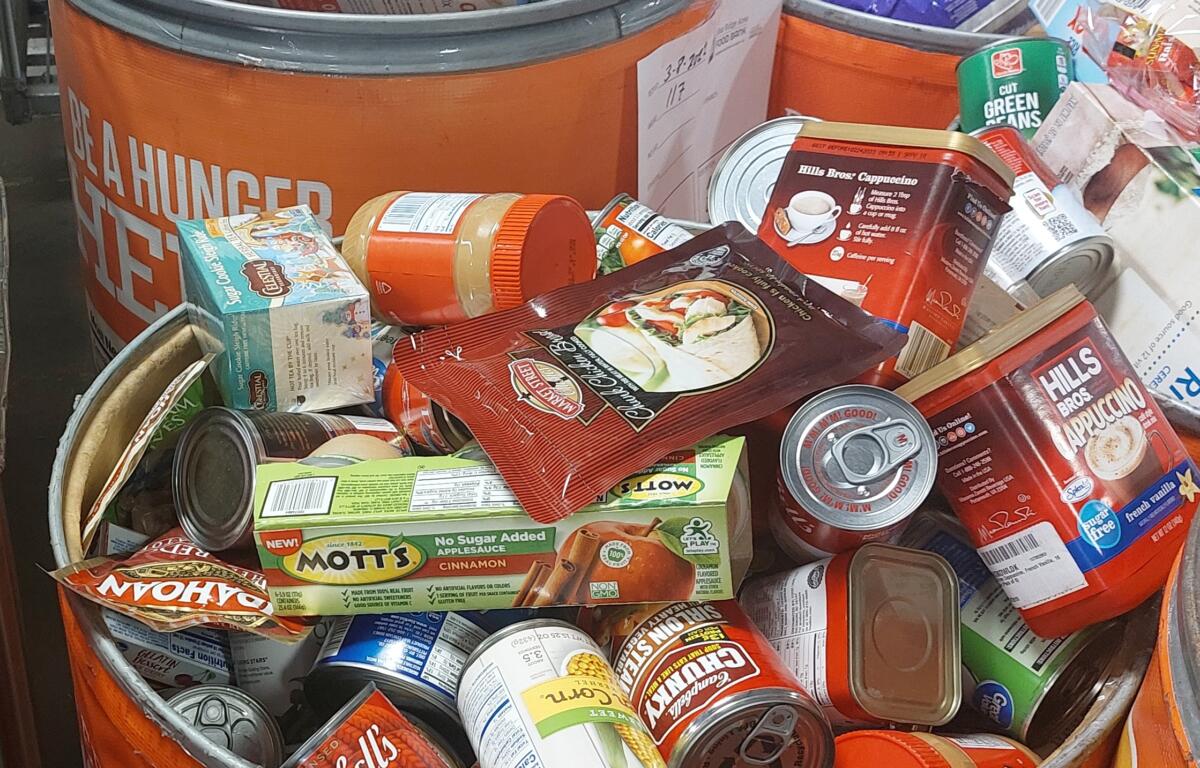

CHARLOTTESVILLE, VA (CVILLE RIGHT NOW) – “Summer can be one of the hungriest times of the year for kids in Virginia,” Sarah Steely, director of No Kid Hungry Virginia told Cville Right Now. “They should be experiencing sunshine and playtime with their friends but for many kids who lose access to the free school breakfast and lunch they get during the school year in the summer they may not have the same access to adequate, routine nutrition.”
Steely’s organization is one of many rising to the challenge of combatting food insecurity for children when school is out of session. For many families, in response to rising cost of living in the state and the nation at large, the necessary financial hit to their budgets, to ensure that a child is eating three meals at home instead of just one for the other nine months of the year, is nevertheless too much to bear.
Data accrued by No Kid Hungry Virginia via the 2025 “Virginia Hunger Survey” found that 55% of those surveyed with children in public school reported rising debt during the summer months due to increased cost of food. That number only drops to 45% when taking into account every respondent to the poll.
With SNAP participation declining due to cuts at the federal level, and food banks faced with higher demand and lower supply, No Kid Hungry supports a pair of programs aimed at combatting these hardships during the summer months to help children and families – SUN Bucks, and SUN Meals.
Designed to work in tandem with one another, SUN Bucks provide eligible children with $120 dollars to be used to help ease the burden of grocery costs during the summer months. SUN Meals are designed with USDA nutrition standards in mind and provided to those who need them by community organizations, food banks, and school cafeterias free of charge.
Kids and families are data-matched with an active need for these programs based on the income level of the family. Often, children in the foster care system, and already connected to concurrent social programs, are offered assistance with the SUN Bucks program. According to Steely, 650,000 students in the state made use of the SUN Bucks program last year. Those who are income constrained but not participating in SNAP are still eligible for the SUN Bucks program and need only apply online. SUN Meals do not require proof of income, and are provided to all children 18 and younger who have a need.
With all this in place though, Steely says there is still work to be done.
“Historically the summer meals program has only reached 15% of the kids who access free meals during the school year. We know there’s a gap there.”
Steely also highlighted the lasting effects of even a short period of food insecurity can have on a child’s physical and mental health.
A 2010 study carried by the University of Calgary and the National Cancer Institute found that children who went through a period of food insecurity, regardless of the length of the period, were 2.5 times more likely to be in poor overall health 10-15 years later. The American Academy of Pediatrics reported in 2018 that the scarcity of key nutrients like iron, zinc, and Vitamins A, D, B6, and B12 can result in hampered brain development during pregnancy, and the first two years of a child’s life. In 2019 the AAP determined that children who went through periods of food insecurity were 19.1 times more likely to display symptoms of asthma, and 27.9 higher to show symptoms of depression later in life.