


 Listen Live
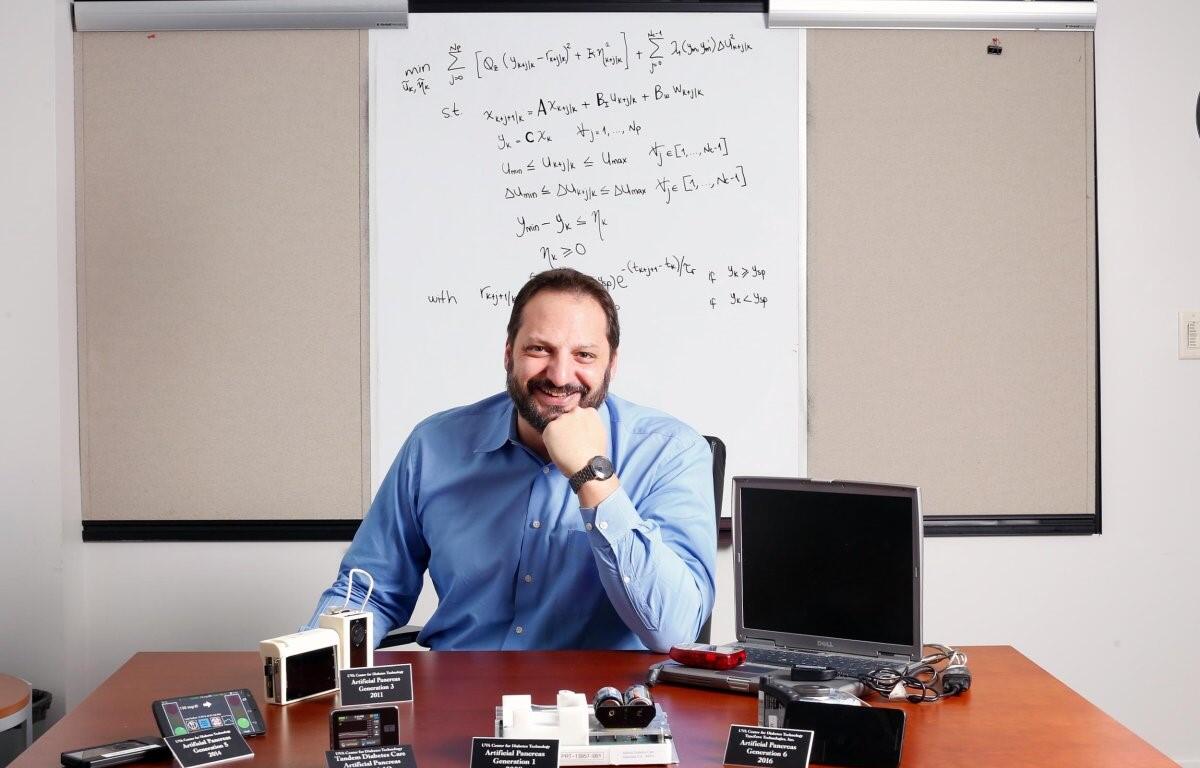

CHARLOTTESVILLE, VA (CVILLE RIGHT NOW) – A new study showed a University of Virginia Center for Diabetes Technology-developed algorithm – paired with continuous glucose monitoring – can help users better manage their Type 2 diabetes by recommending insulin-dose adjustments.
A UVA Health release revealed a clinical trial where “30 participants were randomly assigned to make insulin adjustments for 16 weeks based either on weekly recommendations from the algorithm and glucose monitor or by self-monitoring their blood-sugar levels.
“Participants who used the algorithm saw their average time spent in a safe blood-sugar range increase from 54.1% to 75.3%. Participants who self-monitored their blood sugar saw their average time spent in a safe blood-sugar range increase only from 50.2% to 55.3%.”
“These results clearly show that diabetes technology and advanced algorithms can be leveraged to great effects, well beyond the classical paradigm of automated insulin delivery,” Dr. Marc D. Breton, the study’s lead author and associate director of research at the UVA Center for Diabetes Technology, told Cville Right Now.
He said insulin dosing for Type 2 diabetes patients is challenging in that self-monitoring involves a finger prick and processing which can be done limited times.
In contrast, the glucose monitor is installed with a probe under the skin and gives a blood sugar number every five minutes.
That means there’s are a lot more data points, about 300 of them, to base insulin dosage on, which usually is only needed once a day.
“And it’s able to see not only if you’re in the range or not, but how variable you are,” he said.
“Are there points in the day where you’re lower or higher, it has lots more information that the algorithm is able to encode and use to actually make a dosing decision.”
Breton noted the process of adjusting insulin doses by self-monitoring blood-sugar levels, known as insulin titration, can be time-consuming and challenging for both patients and healthcare providers, and there is no standard titration process.
And he said, “For the self-monitoring, it was the classical manufacturer for the insulin, so every insulin comes on the market with a guideline on how you titrate it.”
The algorithm analyzes the previous two weeks of data from the continuous glucose monitor to generate a weekly recommendation on how users should adjust their insulin dose.
Breton added, “It is able to really adapt to the person’s physiology, behavior, and really try to achieve that right insulin dose.”
This was a small trial, and Breton said longer clinical trials with more participants are still needed to confirm the algorithm’s effectiveness, but he and his colleagues are encouraged by these initial findings.