


 Listen Live
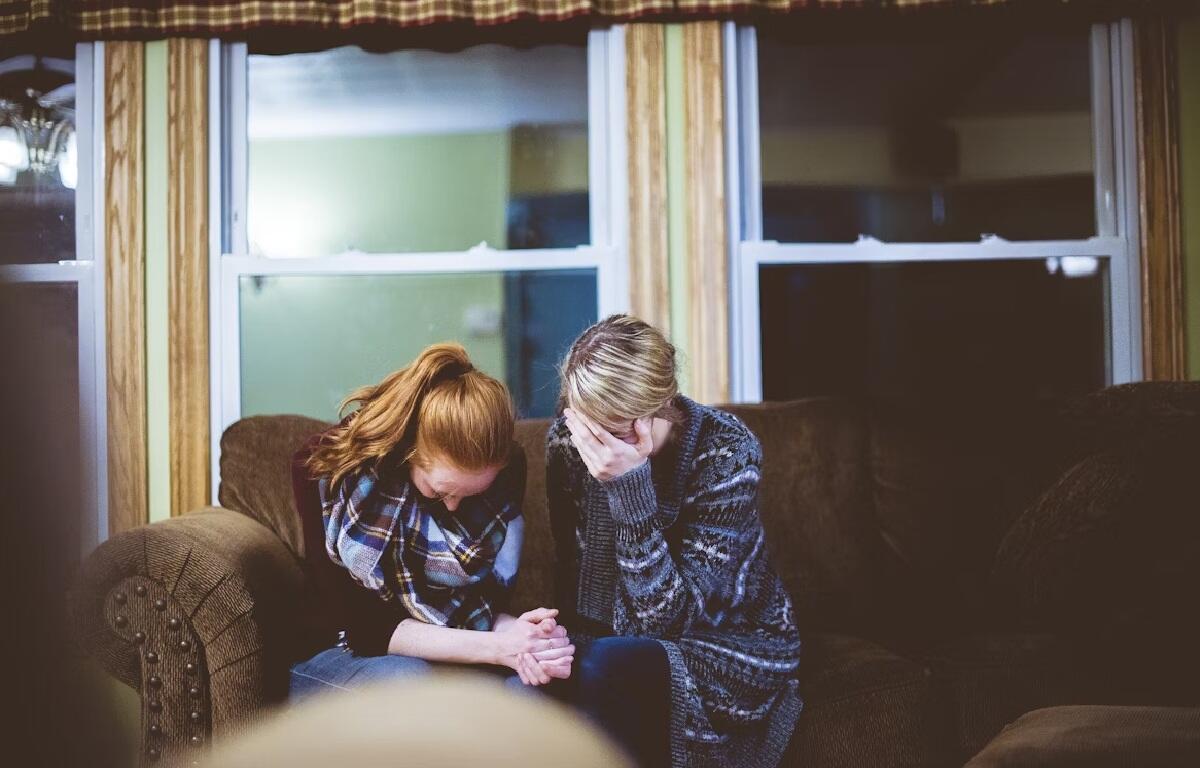

CHARLOTTESVILLE, VA (CVILLE RIGHT NOW) – The holidays are usually a time for families to gather, reconnect and celebrate the opportunity to fellowship with both gratitude and anticipation for the new year. Often times the holidays hold a faith based overtone as well, as Christians celebrate Christmas, and Jews celebrate Hanukkah.
However, while many in our community are in a celebratory mood, the holidays can also be a painful reminder of loss for those who have had a parent or sibling pass away recently or during the holiday season years ago. The gathering of loved ones can also trigger strong emotional reminders about the ones who are no longer among us. These feelings can also become more acute when the loss was sudden, unexpected and also during the holiday season.
Regardless of the circumstances, behavioral health experts and clinical social workers agree that there are many strategies that one can undertake to process the emotional roller coaster that can occur. Madison Furguson is a clinical social worker with the UVA Health system, and she says there is not a one size fits all type of strategy for working through grief while others around you are celebrating the season.
“I think it is important to remember that everyone grieves differently, and there’s no expiration date on grief so whether you have lost someone very recently or whether it was ten years ago its totally normal to feel extra heavy around the holidays,” she told the WINA Morning News. “It can kind of sneak up on you or be unpredictable, my best suggestion is to plan ahead because you might have less emotional and physical energy, so giving yourself extra time to recuperate or take a smaller role in those holiday traditions. Its okay to turn down invitations if certain gatherings seem to much for you. You can always offer an alternative like meeting someone for coffee or getting together in smaller groups if that seems more manageable.”
Ferguson also suggested that avoiding Facebook, Tik Tok and Instagram could be a productive way to avoid emotional triggers. “It can also be helpful for some people to take a break from social media, if you think its going to be hard to see people sharing family gatherings of photos of traditions, you know just take a break from Facebook and Instagram until the new year or whenever you feel ready.”
Furguson also addressed how grief can lead individuals down a road to anxiety and depression and she provided other coping strategies.
“There’s a couple things you can do, first of all identifying someone in your life who is supportive, who may be at some of the social events during the holidays or you can reach out through a text or a phone call,” she said. “But give them the heads up that the holidays may be a difficult time for you and is it okay if I reach out when I need support.”
While that may be a practical solution for some, there are others who might require the support that can only be gained from a professional and Furguson pointed out that there are professional resources available.
“If you need more support from just friends and family, which is totally normal by the way, it can be helpful to talk with a therapist who specializes in grief and bereavement or give a support group a try,” she said. “It can be really beneficial to hear from other people who are going through the same process, to know the thoughts you’re having and the way you’re feeling, you’re not alone in that.”
Furguson also provided advice on how to avoid saying things that while well intentioned, can come off as insensitive to those who are working through complex emotions. You can listen to the entire interview below, and Furguson is one of many clinical social workers at the UVA Health System that can help families experiencing these challenges.