


 Listen Live
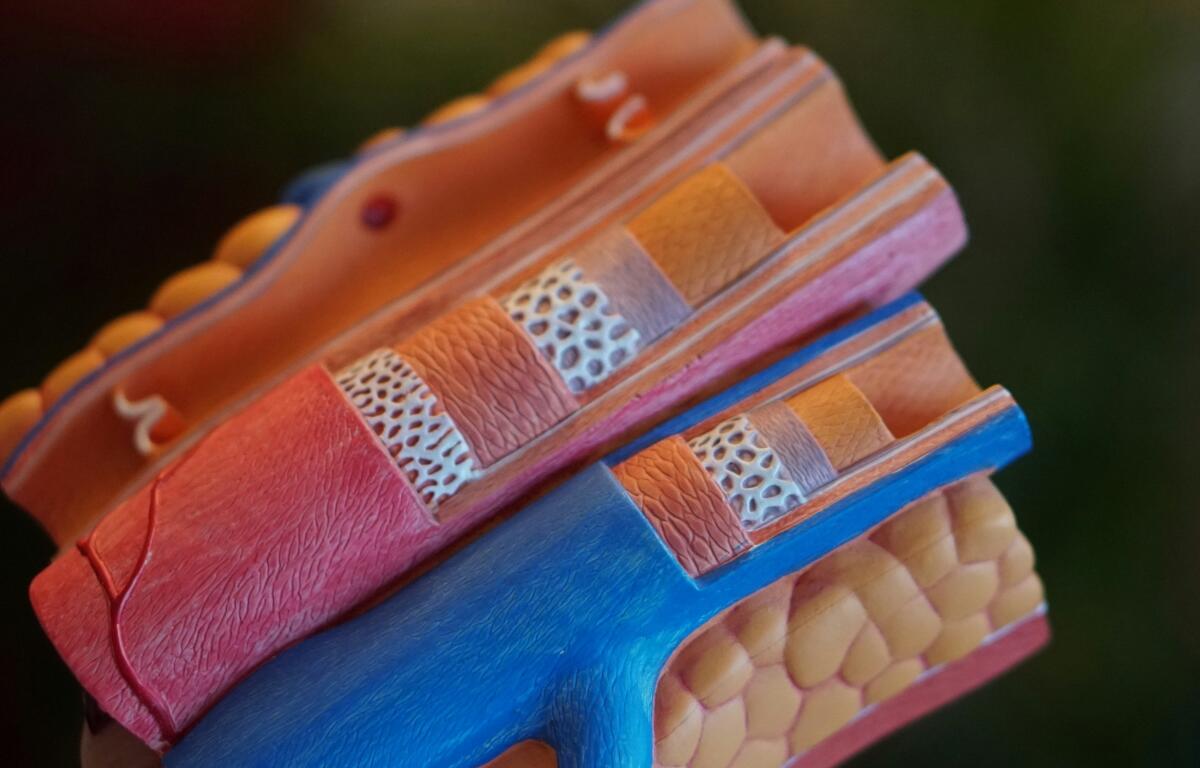

CHARLOTTESVILLE, VA (CVILLE RIGHT NOW) – UVA Health has now diagnosed and treated over 100 patients for iliac artery endofibrosis, the most in the country, according to a UVA Health release.
UVA Health has become the leader in diagnosing and treating the vascular condition which often develops in elite athletes and has been hard to diagnose, because the vascular system is not usually suspected of issues in people in top condition.
Iliac arteries are the main arteries traveling from the aorta, the major blood vessel traveling from the heart down through the middle of the body to each leg.
“What ends up happening in these really elite athletes who have thousands and thousands and thousands of reps cycling or running or as triathletes is that you get, essentially, a repetitive trauma injury of these vessels,” Dr. Margaret Tracci, a vascular surgery expert at UVA Health, said during a media briefing. “So, instead of plaque building up, calcium or cholesterol plaque, you end up getting essentially scar tissue forming within the artery and causing symptoms.”
Despite these athletes above average health, those afflicted by iliac artery endofibrosis will notice burning, cramping or tightening in their leg, typically starting in the thigh or buttocks before often progressing down to the calf and foot.
“Cyclists will often describe a loss of power when they start ramping up to maximal effort, and sometimes even numbness and tingling down into the foot and the leg,” Tracci said.
When it comes time to go to the doctor, physicians will look at problems in the hip or lower back and suspect a muscle or tendon issue.
Many doctors, Tracci said, won’t even think of iliac artery fibrosis because they may not have heard of it, and even some who’ve heard of it might feel for a pulse or do an ankle brachial index to measure blood pressure, but will do it when the patient is at rest, making the damage much harder to detect.
Dr. Tracci noted UVA’s location as a big reason for crossing the 100-patient threshold.
“I think it’s done a couple of things and one is that we really have been able to support this wonderful multidisciplinary team, which I think comes along, among other things, with having both an excellent healthcare system here at UVA Health but also being blessed with being in a region that is just an absolute magnet for high-level athletes,” Tracci said. “We are a mecca for runners, for cyclists, for triathletes throughout the southeastern region.
“It’s allowed us to go from having an initial experience with this condition, where we really thought that it was essentially just this scarring, to understanding some… and our population was predominantly male, and really all cyclists, to understanding as we hit that 100 mark, some subtleties in this. We’ve actually found that in latter years, we have a female predominance.”
What they’ve discovered is a predominant issue where an artery has an excess length that, through the thousands of reps, can eventually kink up.
“If the artery itself is abnormal and really has signs of endofibrosis or thickening and narrowing, we really need to make sure that we treat that endofibrosis with either cleaning it out of the artery and widening the artery with a patch, or actually just replacing that entire segment with what we’d call an interposition graft,” Tracci said.
The UVA team recently shared their findings in a meeting of the Society for Vascular Surgery.
Dr. Tracci shared that patients from 31 states and three countries have been treated, as evidenced by a patient-gifted corkboard map displaying pins from various locations.