


 Listen Live
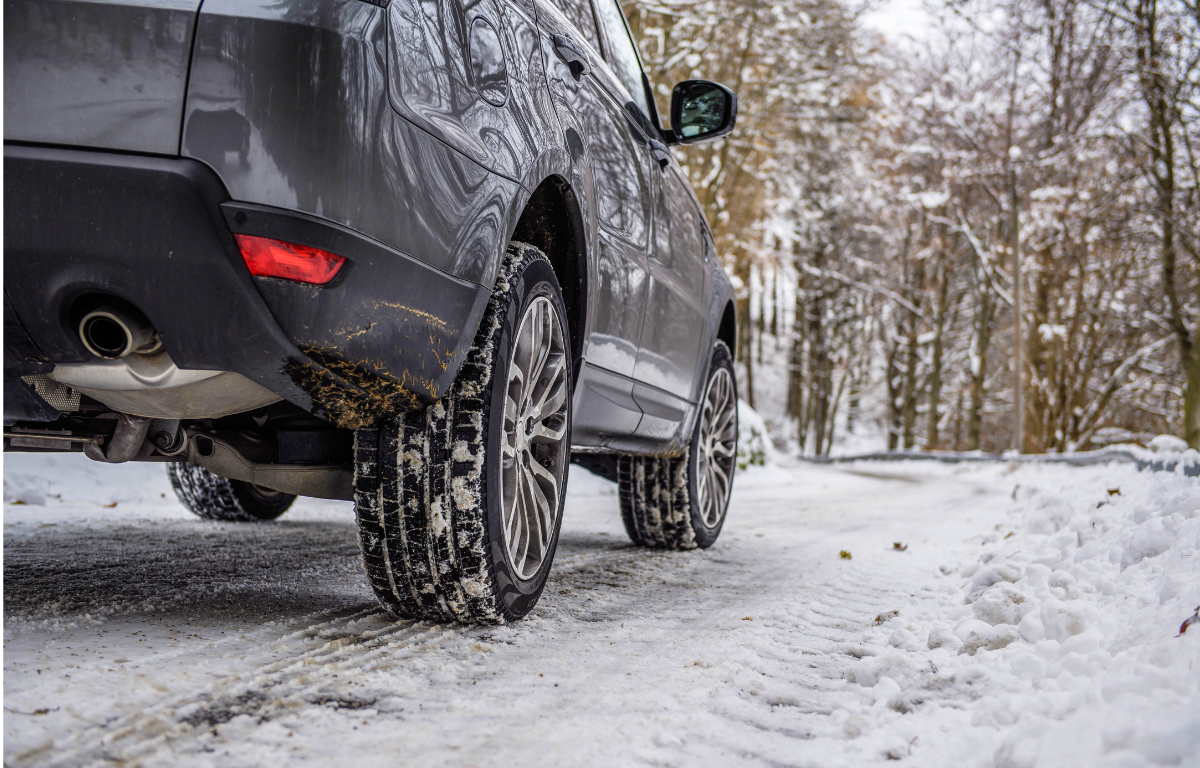

CHARLOTTESVILLE, VA (CVILLE RIGHT NOW) – The winter weather advisory in the area involves about three-quarters of all Virginia, and comes at a time where Wahoo fans might be traveling to Charlottesville in advance of the ACC Championship game, and others travel to Harrisonburg for JMU’s Sun Belt Championship game.
Triple-A MidAtlantic’s Morgan Dean told Cville Right Now roads will be snow-covered and drivers will need to drive a bit differently to safely arrive at their destinations.
“As is often the case with early winter storms, it is difficult to predict what impact the weather could have on traffic and roadways,” Dean said. “AAA encourages drivers to know before they go, and even small amounts of snow and ice are enough to cause hazardous road conditions.”
Dean said it’s a good idea not to drive unless you have to, but when you do there may be some different techniques one needs to execute when driving on slick snow and/or ice-covered roads.
They include slowing down and leaving yourself ample room to stop.
Dean said drivers need to scan the road in front of them and leave at least three times the space than they would in normal conditions.
Accelerate, turn, and brake gradually, and never use cruise control on slippery roads.
Tires can start spinning and Dean said, “Cruise control can get confused and accelerate when the driver is actually trying to slow down or stop the vehicle.”
“Your ability to slow your vehicle by simply lifting your foot off the accelerator is lost when cruise control is engaged,” Dean said.
Dean advised to avoid unnecessary lane changes.
“This increases the chances of hitting a patch of ice between lanes, which could cause loss of vehicle traction,” he said. “Snow and ice typically accumulate more heavily on residential streets where traffic is lighter, and plowing is lower priority. … Do not try to power up hills as applying extra gas on snow-covered roads may only result in spinning your wheels. … Try to get a little momentum up before you reach the hill and let that carry you to the top, and as you reach the crest of the hill, reduce your speed and proceed downhill as slowly as possible.”
Triple-A advised if you are approaching a stop sign, traffic light, or other area where ice often forms, brake early on clear pavement to reduce speed rather than waiting till the intersection as vehicle control is much more difficult when braking on ice-covered roadways.
If a skid starts, “Slamming on the brakes can make the skid even worse,” Dean said. “In the event of a skid, ease off the accelerator and continue to look and steer where you want the vehicle to go, and do not brake and turn at the same time. … Brake first, then turn, then accelerate.”
Dean said it’s also advisable to know your brakes, “If you have anti-lock brakes and need to slow down quickly, put your foot down hard on the pedal. … It is normal for the pedal to vibrate a bit when the ABS is activated.”
Further, “If your car is older and does not have an anti-lock braking system, keep the heel of your foot on the floor, and use the ball of your foot to regulate the pressure applied to the brake pedal so that the brakes are at the ‘threshold’ of lockup but still rotating,” Dean said.
Dean strongly suggests driving distraction-free, “Do not text or engage in activities that will distract you while driving.”
“If driving with a passenger, ask them to refrain from activities that would otherwise distract you from driving safely.”