


 Listen Live
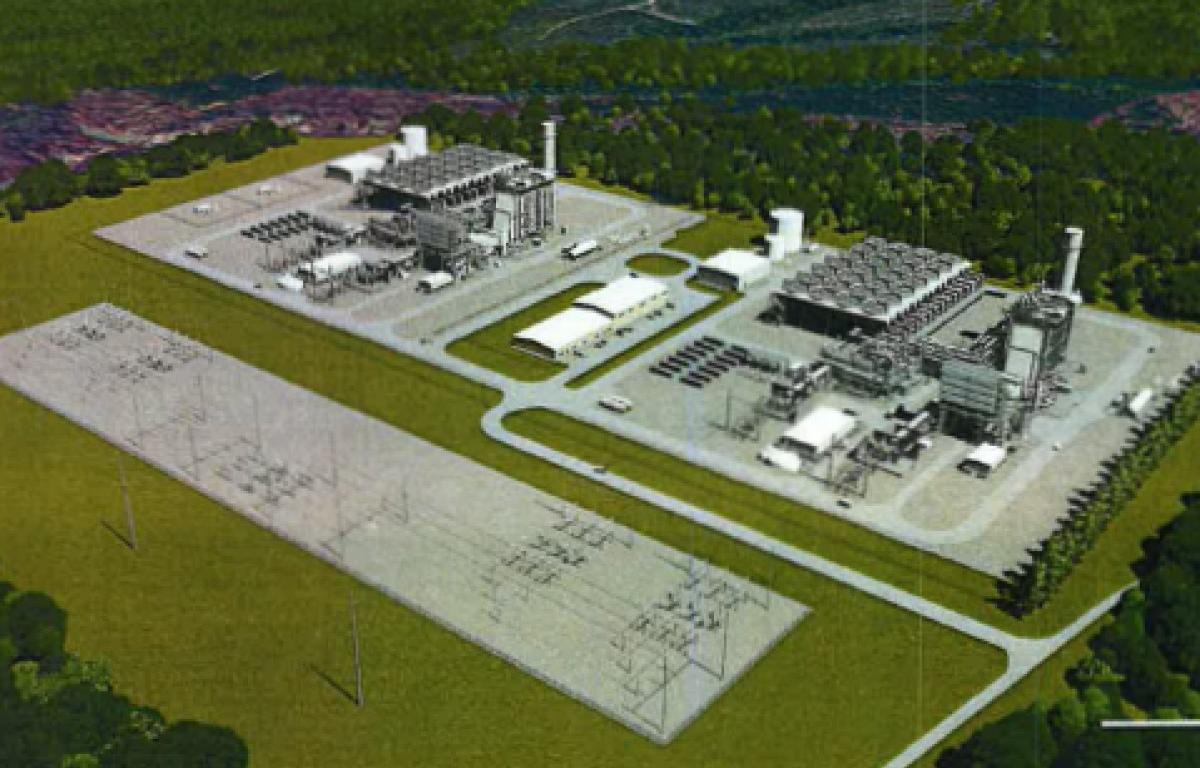

CHARLOTTESVILLE, VA (CVILLE RIGHT NOW) – The Southern Environmental Law Center has filed suit in Fluvanna Co. Circuit Court on behalf of six residents who live within 2 miles of the current and proposed Expedition Generating power station. The suit seeks to void the Board of Supervisors’ granted Special Use Permit (SUP) that lets the new plant be built.
The suit alleges the Board of Supervisors illegally made a decision to grant the SUP on an unadvertised “side deal,” according to the words in the suit, with provisions that are irrelevant to the risks a large gas-fired power plant will present to the residents as well as unenforceable.
The suit asserts that “rather than appearing on the face of the permit, these de facto conditions are memorialized in a declaration of restrictive covenants adopted the same day the permit was approved—a mechanism chosen for the express purpose of attempting to evade constitutional and statutory limitations that curb the power of local governments to demand or accept concessions from developers in connection with permitting decisions.”
The plaintiffs allege the Declaration of Covenants was considered separately from the Special Use permit during the board’s March 18 meeting to evade the period of examination of the covenants required by state law, nor were they subject to a specification of “the time and place of hearing at which persons affected may appear and present their views,” according to the suit.
“At least four of the restrictive covenants in the Declaration—the Good Neighbor Fund, First Responder Payment, RRBC Payment, and water discharge covenants—are, in effect, conditions upon the issuance of the Special Use Permit,” the suit said.
Additionally, the lawsuit alleges those covenants “are not reasonably related to the impacts that the Expedition Generating Station would cause”, therefore they are “unconstitutional,” “invalid,” and “void.”
Under the covenants, Tenaska has agreed to set up a $5-million Good Neighbor Fund designed to mitigate impacts on those who live within two miles of the power stations. The plaintiffs claim in the lawsuit, “The Good Neighbor Fund simply sets out flat-rate payments based on set distances from the plants, without connecting the payments to project impacts.”
“This was expected, and we aren’t able to comment given the matter is in pending litigation,” Tenaska spokesperson Timberly Ross told Cville Right Now in a statement.
Consultants acquired by the county examining the fund, the suit said, flagged that concern.
“These conditions involve fixed monetary commitments and private payments that are not directly tied to measured or verified land-use impacts,” one consultant wrote, according to the lawsuit
One of the covenants has Tenaska setting up a $7-million First Responder Payment to be used for construction of a fire and EMS station at the Kidd’s Store area of the county.
Plaintiffs complain that station would be built some eight miles away from their neighborhood, which is farther away than the Lake Monticello Volunteer Fire Station in Palmyra making it irrelevant to addressing factors in their community.
Another covenant requires Tenaska to make available to the county water discharged from the power plant, which would be equivalent to the county having a pipeline to fulfill some water needs. But, according to the suit, this specific covenant addresses a pre-existing water needs issue for the county and is therefore not specific to the impacts of the Expedition Generating Station. Therefore, it is also unenforceable.
The final covenant added was Tenaska making an annual $5,000 donation to the Rivanna River Basin Commission which, according to its website, is “a regional organization tasked with providing guidance for the stewardship and enhancement of water and natural resources of the Rivanna River and its watershed”.
“The legislative record lacks any evidence about the extent to which the need for the RRBC payment is or may be substantially generated by or responsive to the proposed Expedition Generating Station’s likely impacts,” according to the suit.
Finally, the plaintiffs allege the board didn’t follow the county’s zoning ordinance requirements for approval of new power plants, including that it cannot “be detrimental to or change the character of the surrounding area.”
All six plaintiffs said they live close enough to the existing plant that they experience impacts.
One impact is noise, which plaintiff Chris Whitemore believes will intensify with the new and larger plant. He also said in the suit he hunts on his property, and the power plant affects the wildlife he may encounter and “ruins the tranquility of the experience.”
John and Julie Noggle said there are steam discharges that occur on occasion that sound like explosions, the frequency of which she argued will increase with the new power station.
The suit alleged all will be impacted by increased traffic in their rural community.
“Plaintiffs will also be uniquely harmed by increased traffic from the construction and operation of the proposed Expedition Generating Station due to the dramatic increase in heavy truck and other traffic on the winding Branch Road and along Ruritan Lake Road and its intersections,” the lawsuit said. “A traffic study upon which the Board relied projects an additional 800 vehicles seeking daily access to the proposed Expedition Generating Station site during the 18-month peak of construction activity, and an additional 6 to 30 delivery trucks per day during four years of construction.”
One of the couples has two small children, and the couple said they won’t be able to have their children play outside like they are able to now.
They are also expecting an increase in traffic to add to the noise impact.
“The Noggles recall disruptive noise from traffic during construction of the existing Tenaska Virginia Generating Station, especially from heavy vehicles revving their engines to climb the hilly road,” the lawsuit said.
All the plaintiffs claim the taller stacks will emit plumes of smoke and light pollution, taking away from their rural existence as the shorter stacks on the existing plant are already not completely mitigated by the sight buffers.
SELC attorney Christina Libre emphasized that this is not only a decision deeply impacting Fluvanna but also neighboring counties and the state as a whole.
“The Board’s unlawful reliance on illegal and unenforceable commitments from the developer in deciding to approve this permit puts Fluvanna residents at risk that those promises won’t actually be realized, all while they are left to breathe in even more dangerous air pollution. It also opens the door to similarly unlawful commitments being used to induce local approvals all across the Commonwealth,” she said. “The Board’s short-sighted approval risks setting a damaging precedent as more and more communities in Virginia are being targeted for massive new developments, like data centers and the harmful gas plants being built to power them.”
“Nothing is more important to us than making sure our kids have a healthy and safe place to grow up, and I know other Fluvanna families feel the same way,” Whitmore said through the SELC in a statement. “We rely on our elected officials to make smart decisions when major development proposals come to town, and that requires following the law. But that’s not what happened here. Doubling down on industrial pollution with a new gas plant is reckless and unjust.”
“We’ve lived in our home together for 45 years and already went through one round of heavy construction traffic rumbling by our house every day, only to be followed by the loud noises and air pollution from Tenaska’s first gas plant,” Noggle said through the SELC on behalf of her and her husband. “I just don’t know how my husband and I could tolerate all of the additional impacts of a new and even larger plant.”
County Attorney Dan Whitten told Cville Right Now the county does not comment on active litigation.