


 Listen Live
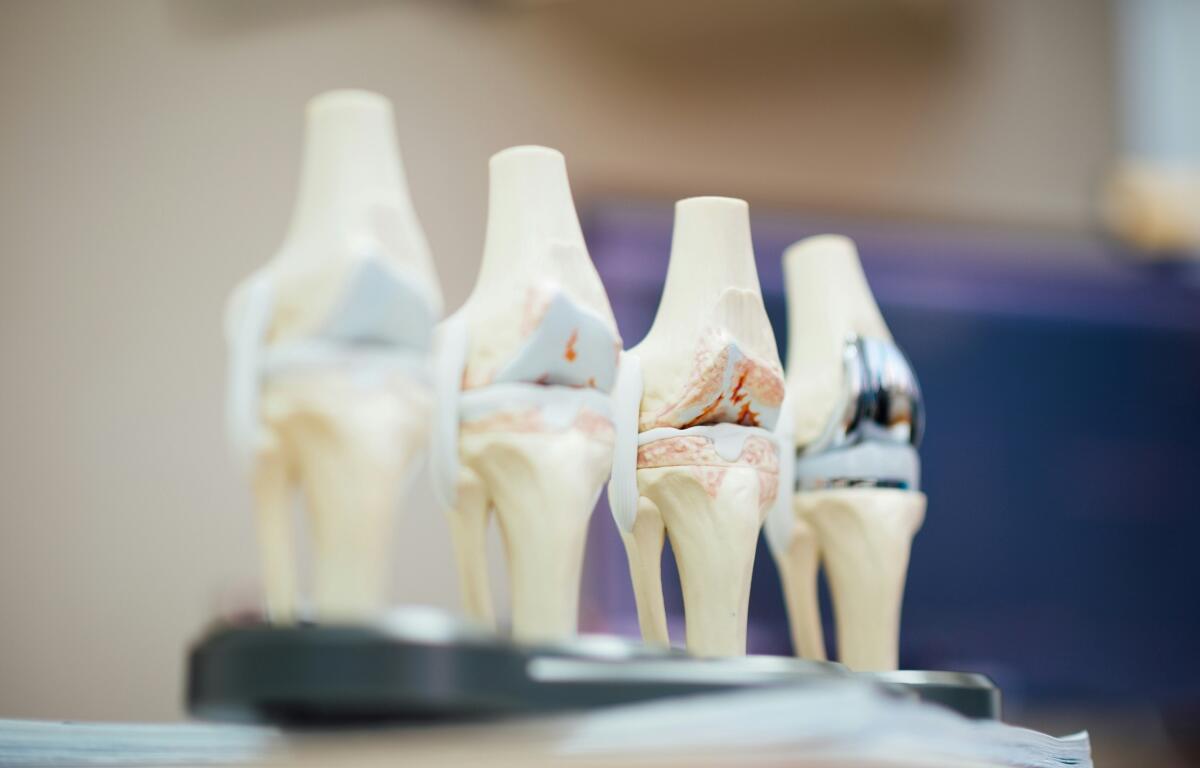

CHARLOTTESVILLE, VA. (CVILLE RIGHT NOW) — At Advanced Pain Management of Virginia, Dr. Scott Wagner and his team use regenerative medical techniques to help relieve pain and sometimes even avoid surgeries. But sometimes, patients will come to Dr. Wagner looking to avoid a joint replacement, but he will still recommend they get the surgery.
Still, there are plenty of ways regenerative medicine can be used before and after surgery to help ensure a successful operation. As Dr. Wagner explains, his work is about finding out specific body parts are deteriorating.
Changing behavior to improve function
One of the main areas of focus for Dr. Wagner when dealing with patients dealing with joint damage is to fix the mechanics of how they are using those joints. He said it’s not uncommon for him to receive who’s joint, like a knee for example, is acting up after a replacement.
“They wonder why the knee is still hurting,” he said, “and I’m like, ‘Well, they replaced the knee that you wore out. That doesn’t mean they replaced the mechanics of how you’re loading and using the knee.'”
The solution is for Dr. Wagner is fix how that patient is using said knee, examining everything from how they walk to their posture and muscles. He said they can get good results when they catch these issues early enough.
Replacing a joint is never an end-all, be-all
One of the biggest issues with joint replacements is the fact they are never a permanent solution. Over time, the metals in the replacement will deteriorate, especially if a patient uses it the same way they did before the replacement. Dr. Wagner added that a second joint replacement is always worse for mobility.
“No one is fixing the biomechanics of that person,” he said.
Dr. Wagner believes that fixing these mobility issues in his patients is vital, as the act of simply walking is vital to maintain normal hormonal balances and better mental health.
“We don’t appreciate walking until its gone,” he said.
Preparing for surgery
For some, joint replacements are the best and at time only solution to their joint damage, but that doesn’t mean a patient can’t find success after the procedure. In addition to working with patients following their replacement.
Dr. Wagner also believes that proper preparation for surgery is vital to an operation’s success. In sports medicine, patients often go through a four to six-week pre-conditioning program, but that almost never happens outside of sports medicine.
“If you want to actually increase the percentages of successful surgeries, you should do something pre-surgical,” he said, “and I think we’re just not doing that in society.”