


 Listen Live

CHARLOTTESVILLE, VA (CVILLE RIGHT NOW) – Sylvia Bennett-Stone knows firsthand the impact of gun violence in America. She lost her daughter and grandson in shootings 21 years apart, in 2004 and 2025. Now, Bennett-Stone works as the National Director of Voices of Black Mothers United, doing community outreach work and advocating for violence prevention and positive policing.
“We’re mothers who have chosen to take our voices and voices of our children into the community to help save others,” Bennett-Stone said. “Through advocacy, intervention, prevention and promoting positive policing… they can make a difference in our communities block by block.”
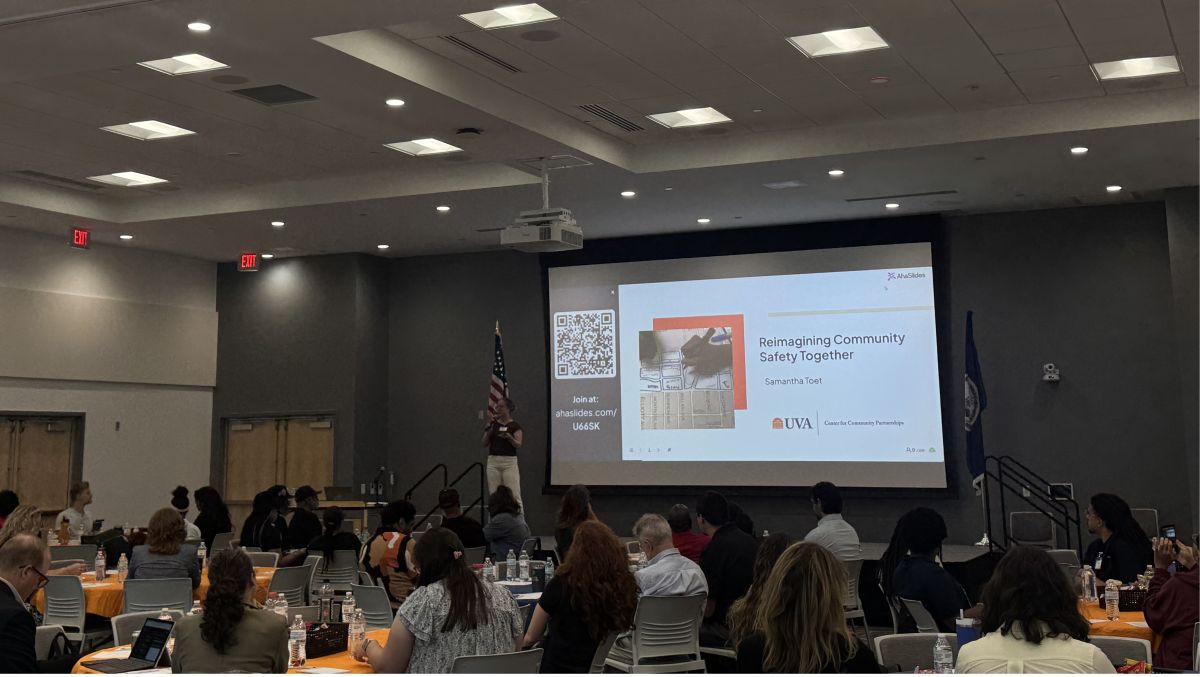
On Thursday at Piedmont of Virginia Community College, Bennett-Stone was one of the speakers at the third annual Gun Violence Summit, a collective that brought together leaders from the University of Virginia’s healthcare system and members of violence prevention programs to confront and discuss the issue that plagues so many American communities.
Co-sponsored by UVA Health, the Commonwealth Justice Coalition and UVA PEGL Lab, much of the summit concerned the University Medical Center’s new hospital-based violence prevention program, which began earlier this year. The program seeks to reduce re-injury rates of survivors of gun violence, offering bedside help, peer mentoring from workers who come from the same communities as patients, long-term support and resources to address root causes such as housing, education and mental health.
Brittany Nash, a Trauma Social Worker and Trauma Survivors Network Coordinator for UVA Health’s Trauma Program, is on the front end of these patient interactions as the leader of the program.
“A lot of the work that we do is providing emotional support and encouragement to patients,” Nash said. “Because they are getting help from people who are from their community, they also feel safer because they know this person is aware of what’s actually going on in (their) community.”
The hospital-based violence prevention program started at UVA Health in April, and after adding two violence intervention specialists to the team, the program continues to work with survivors and help other community programs understand the impact they can have on reducing gun violence outside of a hospital context.
“We have been doing some education in the community to explain to some community partners (that) although you may not do direct gun violence prevention, the work that you are still doing, when you’re working with youth or after school programs or… after they’ve been traumatized, that is how you prevent gun violence,” Nash said.
Even after survivors leave the hospital, program leaders work with patients for up to a year after being discharged, to help with various issues that crop up like navigating the healthcare system or connecting with food banks or educational resources.
“If we do not have these conversations about how to keep (survivors) safe, how to prevent (survivors) from being reinjured, they’re going to be injured again,” Nash said.
The summit also announced the Charlottesville-Albemarle Community Safety Hub, which aims to unite response, prevention and intervention.
Data Management Specialist for UVA’s Center for Community Partnerships Samantha Toet expanded on plans for the Hub and described it as a place to collectively find reports, policy briefs, programs and partnerships focused on reducing gun violence.
“Our goal here is to understand how to translate recommendations, both legal, community, school and different policy recommendations to our local context while also elevating community wisdom,” Toet said. “We want to collectively define community safety and what those goals are.”
Bennett-Stone also emphasized the importance of positive relationships with law enforcement, noting that negative perceptions, particularly from young people, can be challenging to shake within communities.
“We get them together with law enforcement so they can understand law enforcement is not your enemy,” Bennett-Stone said.
Although sharing personal experiences about child loss and the cost of gun violence is difficult, Bennett-Stone noted that the outreach VBMU does at events like the Gun Violence Summit and at schools and hospitals is key to getting young people to reconsider dangerous decisions that can be made on impulse or out of anger.
“We have to speak our truth as people who have been impacted by violence, in order to make a difference,” Bennett-Stone said. “We have to help them understand the value of their life, so they can understand the value of someone else’s life.”
Initiatives like the hospital-based violence prevention program, along with community partners, seek to stop the cycle of gun violence by working with survivors, families and young people impacted by it, with a holistic approach that addresses more than just the immediate fallout.
“I’m standing here from 20 years ago,” Bennett-Stone said. “A lot of people don’t think that they’re going to be able to stand or breathe the next day… I’m your example of you can make it. Tomorrow is going to come.”