


 Listen Live
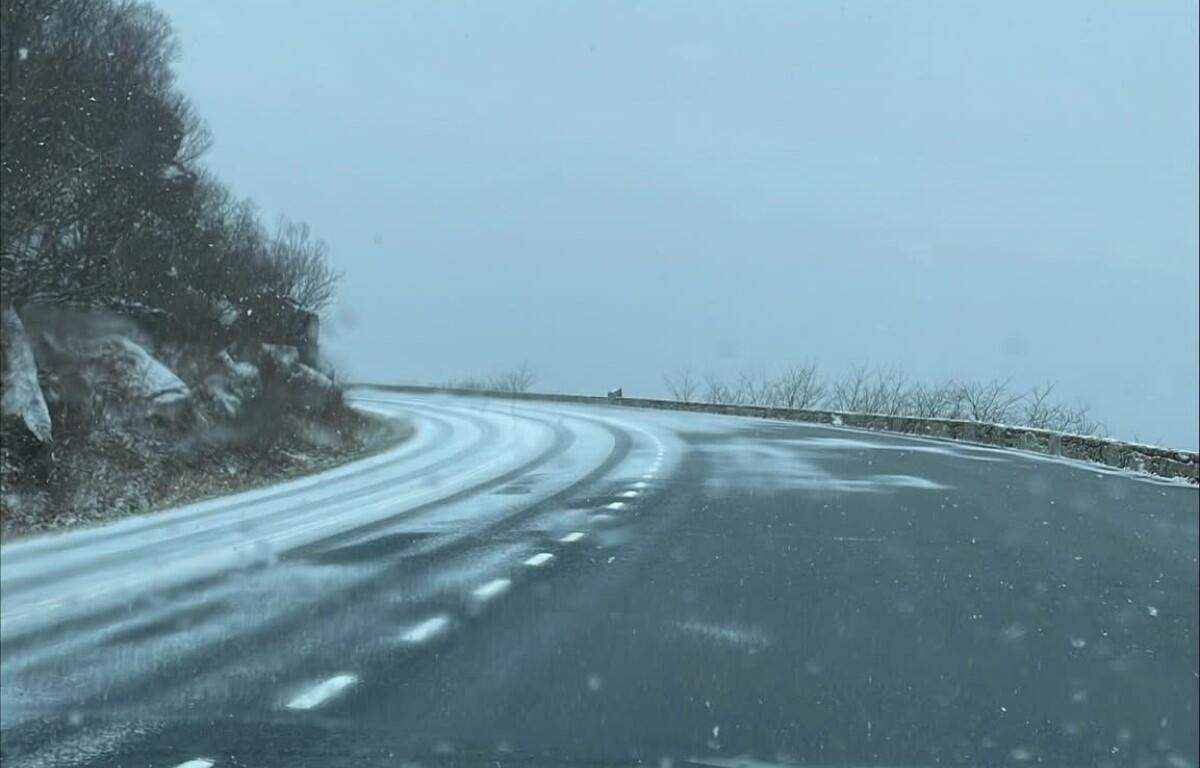

CHARLOTTESVILLE, VA (CVILLE RIGHT NOW) – The most treacherous driving conditions may still lay ahead.
Area roads through midday Monday were mostly calm and clear, with snow sticking to grass and other surfaces, but not roadways.
However, weather forecasters expected temperatures to be falling into the 20s throughout the afternoon, increasing the chance of snow sticking to the roads and any moisture icing up.
Unlike Friday morning when area dispatchers were busy with vehicles sliding and crashing, including a number of CAT buses, the chatter had been relatively quiet.
Accuweather meteorologist Jason Caterina said 1-3- inches accumulation looks to be the likelihood of snow, “And then very cold tonight, the record low is 11.”
“We’re going to quite get there, we’ll get to 13,” Caterina said. “That means any slushy areas and standing water will freeze tonight, even with some treatment on them, so be very, very cautious first thing (Tuesday) morning.”
VDOT said crews are fully mobilized and have begun 24/7 operations with all available personnel and contractors actively plowing and treating roads to respond to changing conditions throughout the day.
VDOT’s Alexis Mehriteb urges motorists be prepared for periods of reduced visibility, accumulating snow and slick travel.
“Conditions will vary across the district as temperatures hover near freezing,” she said.
Triple-A is repeating a lot of the tips they distributed Friday with a similar storm.
“Drivers are encouraged to stay on top of local forecasts and check Virginia 511 for road conditions so you know before you go,” said Triple-A MidAtlantic’s Morgan Dean.
“If you can, stay home and wait until the storm has moved out and the roads are clear.”
During the storm, Triple-A tips include:
* Stay home. If you really don’t have to go out, don’t. Even if you can drive well in winter conditions, not everyone else can. Don’t tempt fate. Stay home until crews can properly treat roadways.
Check road conditions. Before you leave, assess the conditions of roads along your route. A good source for this is VDOT’s 511 Virginia site.
* Drive slowly. Everything takes longer on ice- and snow-covered roads. Accelerating, stopping, turning―give yourself time to maneuver by driving slowly.
* Increase your following distance to eight to ten seconds. This increased margin of safety will provide the longer distance needed if you have to stop.
* Accelerate and decelerate slowly. Apply the gas slowly to regain traction and avoid skids. Don’t try to get moving in a hurry and take time to slow down for a stoplight. Remember: It takes longer to slow down on icy roads.
* Manage a skid. If you lose traction and begin to spin or skid on snow or ice, don’t slam on the brakes. Steer in the direction you want the front of the vehicle to go, until your tires regain traction.
* Know your brakes. Whether you have antilock brakes or not, keep the heel of your foot on the floor and use the ball of your foot to apply firm, steady pressure on the brake pedal.
* Don’t stop if you can avoid it. There’s a big difference in the amount of inertia it takes to start moving from a full stop versus how much it takes to get moving while still rolling. If you can slow down enough to keep rolling until a traffic light changes, do it.
* Don’t power up hills. Applying extra gas on snow-covered roads just starts your wheels spinning. Try to get a little inertia going before you reach the hill and let that inertia carry you to the top. As you reach the crest of the hill, reduce your speed and proceed downhill slowly.
* Don’t stop going up a hill. There’s nothing worse than trying to get moving up a hill on an icy road. Get some inertia going on a flat roadway before you take on the hill.