


 Listen Live
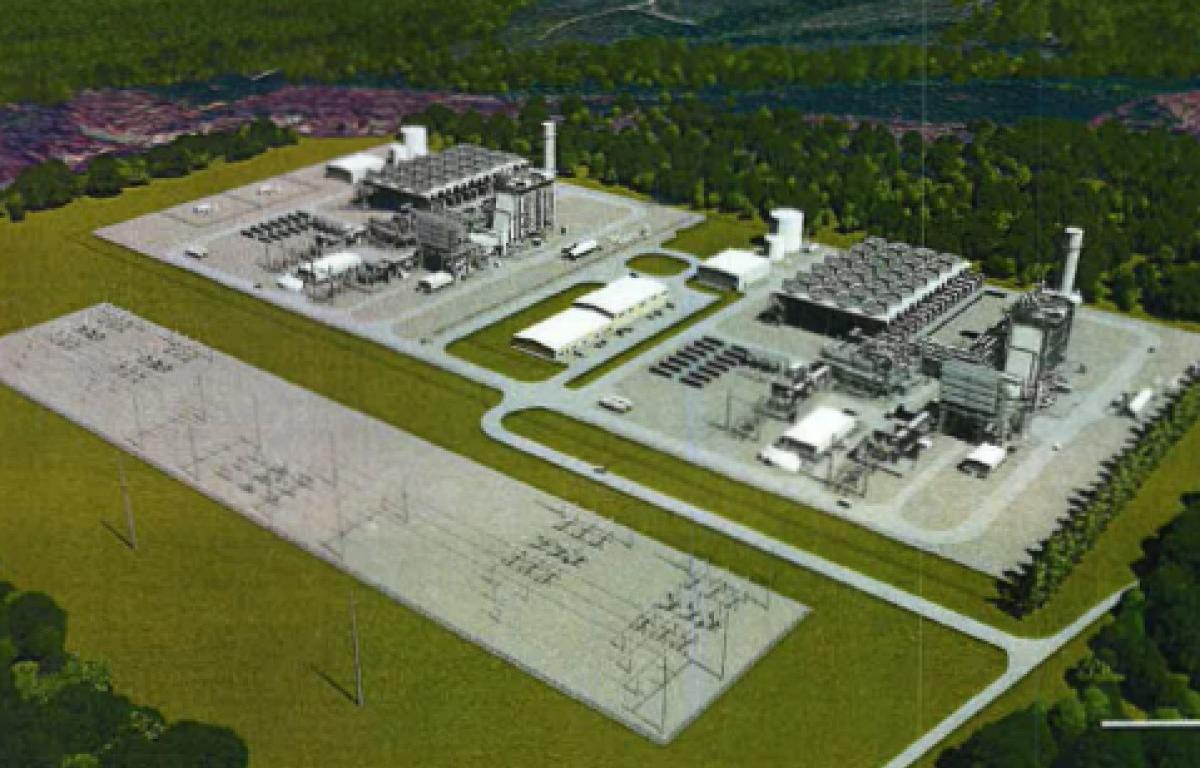

CHARLOTTESVILLE, VA (CVILLE RIGHT NOW) – Environmental and rural conservation groups are expected to pack into the Fluvanna County Planning Commission meeting Tuesday night as commissioners decide if the Tenaska Expedition Generation power plant expansion off Branch Road “is substantially in accord with the County’s Comprehensive Plan“.
Omaha, NE-based Tenaska currently operates a natural gas-fueled 1000-megawatt power generating plant on property adjacent to the proposed new plant.
The project that the commission is considering will build an additional natural gas-fueled 1500-megawatt generating station.
“The requested change is necessary to meet rapidly growing energy demand in Fluvanna County and across Virginia,” according to the application. “This demand is being driven by the retirement of coal-fired plants, as well as significant growth in data centers, domestic manufacturing, and residential development and the need to respond to extreme weather events. Recent forecasts project that regional electricity demand will double between 2025 and 2040.”
The application also states that Virginia is the largest electric power importer of any state in the nation, and said Project Expedition will “help reverse this trend” by add new in-state generation capacity, reducing the need for out-of-state energy.
The application also noted that be adding reliable natural gas generation, the project will “strengthen grid reliability, help prevent blackouts and brownouts, and contribute to stabilizing electricity costs for residents and businesses in both Fluvanna County and the Commonwealth.”
The company has noted the plan includes acres of green space and vegetative cover of the plants, and myriad sound mitigators. The application also said Tenaska is already one of the county’s largest taxpayers with its current plant, and the addition will make them an even larger contributor.
The company projected the project contributing $250-million to Fluvanna County’s local tax revenue over the next 30 years, and adheres to the Comprehensive Plan objective of “at least one-third of its tax revenue com(ing) from the business sector”.
Groups such as the Community Climate Collaborative are vehemently oppose the project and urge residents to “show up in Fluvanna to support residents.”
“If this project is approved, these gas-fired power plants would become the largest in Virginia, significantly affecting not only Fluvanna County but also neighboring Scottsville and Albemarle County,” the CCC wrote on their website. “Opportunities for public engagement has been extremely minimal. Tenaska has been allowed to control the narrative, holding invitation-only ‘community’ information sessions, choosing which questions to answer at a Special Board Meeting, and failing to conduct a local health impact study, including for air pollution modeling.”
The CCC argued the plant would “withdraw millions of gallons of water per day from the James River system, adding strain to shared regional water resources and heightening vulnerability during drought”, as well as “emit nitrogen oxides, particulates, and volatile compounds linked to asthma and heart disease.”
Opponents also claim neighbors have been living for 20 years with a low-level hum from the existing plant that the company has refused to fix, and they expect the problem will worsen with the added plant. They added that the tax revenue projections don’t factor in costs like road repairs, emergency services and potential health burdens.
“The community reports that they have not seen the benefits that were originally promised when Supervisors approved the first plant over 20 years ago,” the commission wrote.
Tenaska projected the new plant would bring 29 good jobs to Fluvanna County, but CCC argued one-third of the 29 employees at the current plant lives outside of the county.
Fluvanna County staff reviewing the project concluded ,”the proposed facility is substantially in accord with the Fluvanna County Comprehensive Plan, or ‘part thereof.'”
In regard to being natural gas-fueled, staff concluded the project failed to meet the strategy of “energy efficiency in developments and throughout the community including the use of solar, geothermal, wind, and other decentralized energy technologies and support renewable energy generation by allowing such uses in the zoning ordinance”.
However, by preserving 700 acres in the Rural Residential and Rural Preservation Planning Areas, staff concluded the project meets the Comprehensive Plan goal “to preserve and enhance Fluvanna’s unique identity and rural character”.
They also concluded the project fulfills goals “to protect rural areas through economic development”, and “to diversify and strengthen the County’s tax base”.
Fluvanna Horizons Alliance also encouraged residents to turn out, writing on their website, “The increase in public health costs, environmental impacts, and decreased property values far outweigh any potential tax benefits.”
They contended the purpose of the plant is not to provide electricity to local residents, but rather “to sell energy on the open market, primarily to meet the rising demand from data centers, rather than serving our community.”
“Fluvanna County has a long history of environmental injustice and enough is enough,” the Alliance wrote.