


 Listen Live

CHARLOTTESVILLE, VA (CVILLE RIGHT NOW) – While the expectation is for there to be a relatively low number of major hurricanes this Atlantic season, concerns remain that many of those storms could strike in areas that would impact the central Virginia area.
Accuweather is calling for a near- to below-average Atlantic hurricane season starting June 1, but it will be looking at the potential for above average impacts on coastal areas, areas that historically have brought storms tracking through the Charlottesville area.
Forecasters are calling for 11-16 named storms, with 4-7 developing into hurricanes, Accuweather Lead Hurricane Specialist Alex DeSilva told Cville Right Now. Of those, just 2-4 are predicted to become major hurricanes of Category 3 and higher.
It forecasts 3-5 of those storms to impact the U.S. mainland.
DeSilva said storms that form over the Gulf of Mexico or the Atlantic Ocean can have devastating effects on inland areas. He pointed to the powerful remnants of Camille and their impact on Nelson County in 1969.
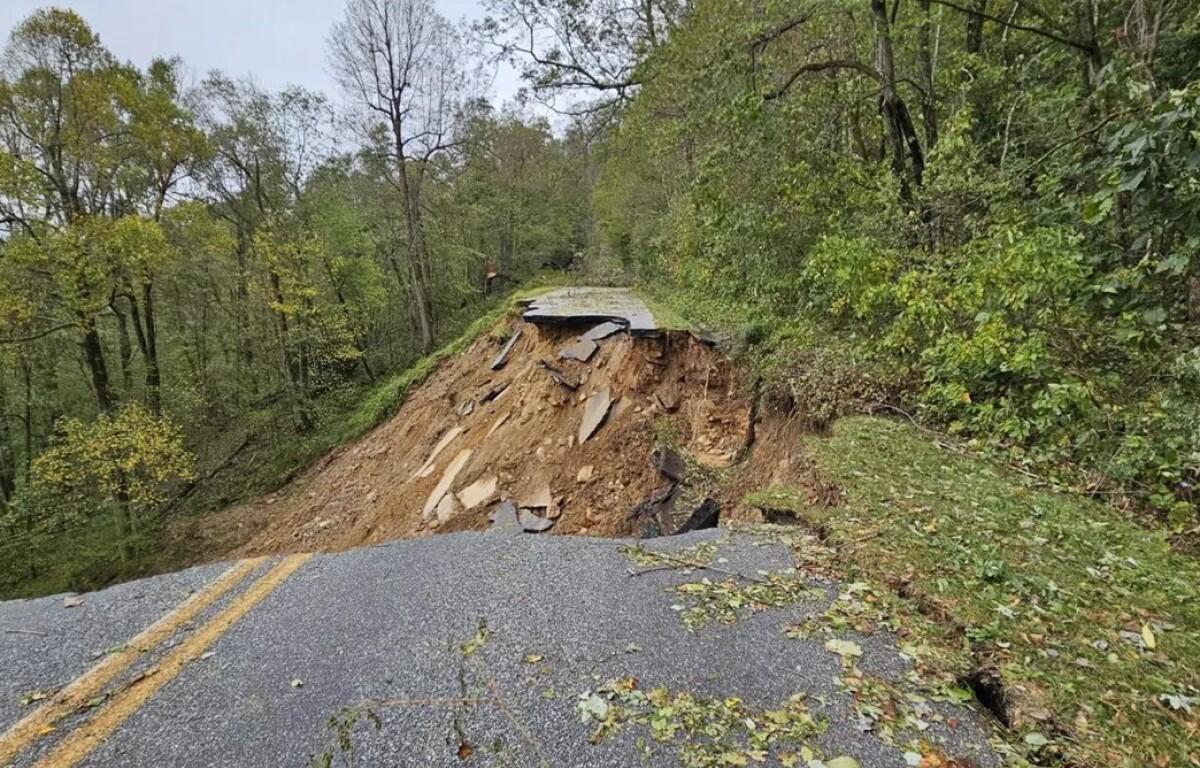
“A more recent example,” DeSilva said, “would be Hurricane Helene that struck the Gulf Coast and brought that devastating to the southern Appalachian Mountains a couple of years ago. And we’ve seen storms like this time and time again that maybe make landfall along the Gulf Coast but can bring those impacts hundreds, maybe even a thousand, miles inland potentially across some areas.
“This year, we are concerned about the potential for an above-average risk of impacts in the northern and northeast coast of the Gulf area, as well as the Outer Banks on a line down towards Myrtle Beach.”
DeSilva said, “The concern is that if we see more storms that are in that eastern Gulf region, we could see those storms climb up and potentially impact all of Virginia.”
DeSilva described competing interests that could have either traditionally strengthened or torn apart Atlantic storms. He said warmer ocean waters are favorable toward development of tropical system.
However, El Nino is setting up in the Pacific and that traditionally brings winds that sheer off development of Atlantic storms.
If there was no El Nino, he said forecasters would be calling for an above-average season, and if ocean temperatures were lower, they’d be forecasting a well below-average season.
But they’re calculating these phenomena overall to make an average- to- below-average season.
Regardless of the storm numbers, DeSilva said “it only takes one” to be devastating.
“A great example I like to give is the 1992 hurricane season, and a lot of people in Florida and especially south Florida will remember that season because of Hurricane Andrew, one of the only Category 5 hurricanes to strike the United States,” DeSilva said. “That year only had seven named storms, a far cry from the average named storms we see a year of 14.”