


 Listen Live
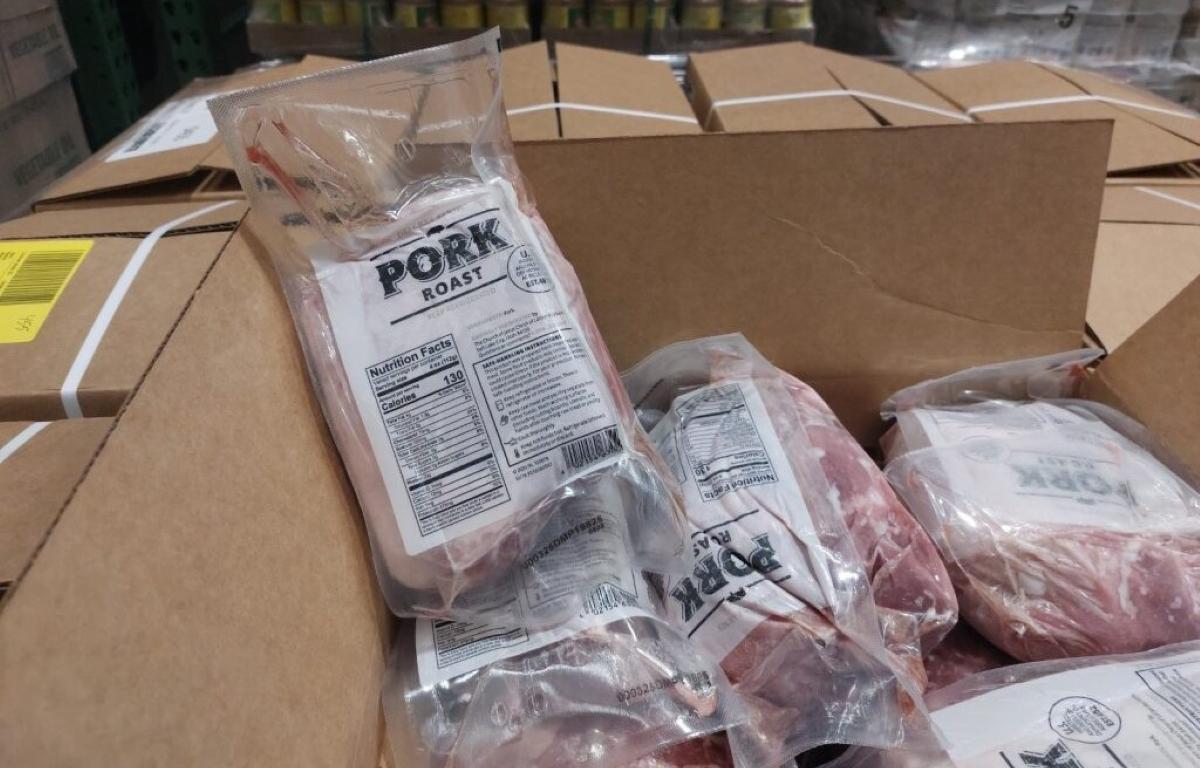

CHARLOTTESVILLE, VA (CVILLE RIGHT NOW) – The Blue Ridge Area Food Bank is receiving a donation of 30,000 pounds of frozen meat products from The Church of Jesus Christ of Latter-day Saints (LDS), strengthening the Food Bank’s ability to serve families facing food insecurity throughout western and central Virginia. The contribution is estimated to provide over 90,000 individual meat servings
The donation includes pork, beef, and ground beef, all packaged and stored according to USDA food‑safety standards. These high‑protein, nutrient‑dense foods will support low‑income households, seniors, children, and individuals experiencing economic hardship.
“A protein donation of this size makes an immediate and powerful difference in how we can help nourish the communities we serve,” said Greg Knight, Senior Director of Food Sourcing Programs at Blue Ridge Area Food Bank. “We are grateful to The Church of Jesus Christ of Latter-day Saints for their generosity and for trusting us to help make sure these resources reach the neighbors who need them most.”
The products will be distributed through the Food Bank’s extensive pantry network, serving communities in Harrisonburg, Waynesboro, Charlottesville, Albemarle, Lynchburg, and surrounding areas. Delivery will be made via a 53-foot refrigerated truck to ensure safe handling and storage.
“Our contribution to the food bank is a tangible expression of our mission to ‘love one another;’ as the Savior commanded.” Jason Papin, President of the Waynesboro Virginia Stake of The Church of Jesus Christ of Latter-day Saints. “One way we love others is by working with wonderful organizations like the Blue Ridge Area Food Bank to meet the immediate needs of our neighbors with compassion and action, as we strive to alleviate suffering and build a stronger, more caring community.”
The donated food was produced, packaged, and distributed through the Bishops’ Central Storehouse in Salt Lake City, Utah—part of the LDS’s global welfare and humanitarian system. This network includes farms, canneries, and distribution centers funded by member donations and operated largely by volunteers.