


 Listen Live
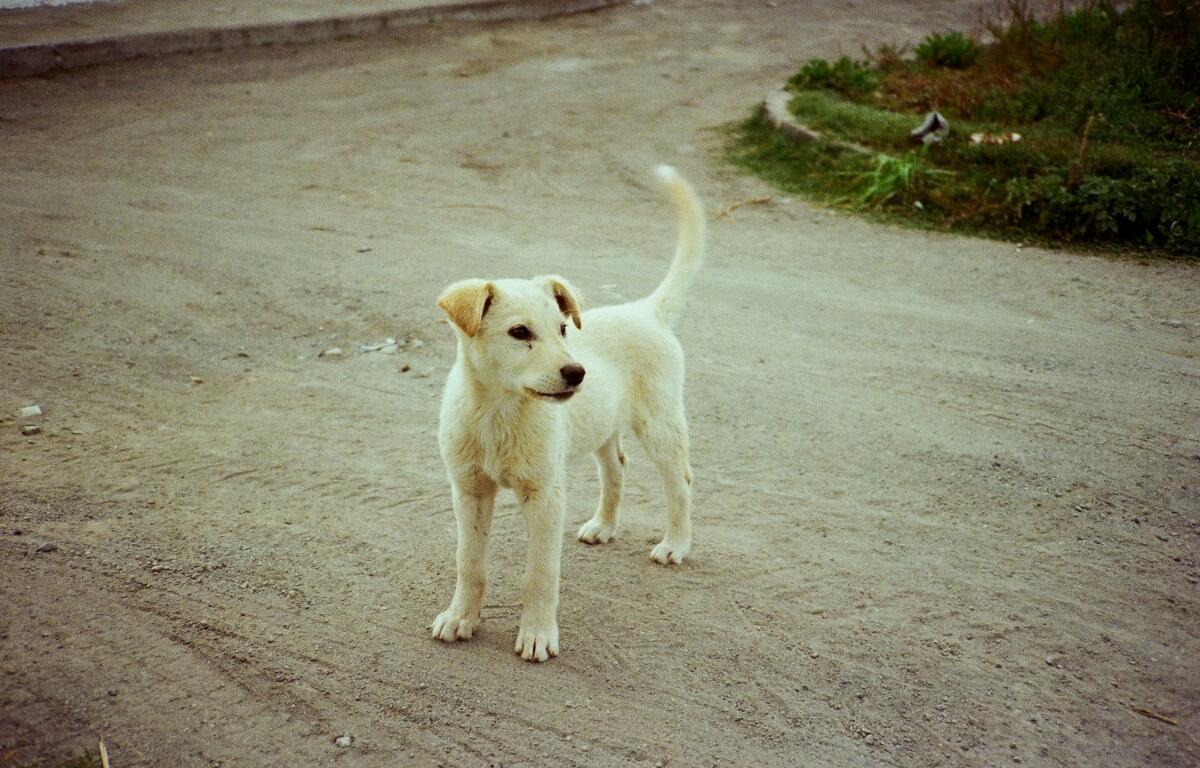

CHARLOTTESVILLE, VA (CVILLE RIGHT NOW) – You’re driving down a quiet road and spot a dog walking alone. He looks thin. Maybe confused. Your first instinct is a good one: I want to help this dog.
So you bring him home, give him food, a warm place to sleep, and plan to “figure it out” in a few days.
Here’s the important part many well-meaning people don’t realize: in Virginia, that decision can unintentionally change the animal’s legal status and limit their options for help.
What Is Considered a “Stray” in Virginia?
In Virginia, a stray animal is generally defined as:
Unowned: Not currently in someone’s legal possession
At large: Wandering freely in the community
Often socialized: Friendly or tolerant of people (unlike feral animals)
Without identification: No clear owner information
However, once a person provides food, shelter, or care for an animal for more than three days, many local jurisdictions consider that person the animal’s legal owner. At that point, animal control agencies and shelters are not legally required to take the animal, because it is no longer classified as a stray.
This law exists to protect animals, but it can have unintended consequences when people don’t know it.
Why This Matters
Shelters and animal control agencies operate under state and local laws that require them to:
Hold stray animals for a set legal stray hold period
Typically 5 days for uncollared animals
Up to 10 days for animals with collars or ID
Give owners the opportunity to reclaim their pet by showing:
Identification
Proof of license
Rabies vaccination records
If an animal skips this process because it was privately kept for several days, it may lose access to these protections.
What to Do If You Find a Stray Dog
Step 1: Call Your Local Animal Control or County or City Shelter Immediately
This should always be your first call even if you plan to help further.
Step 2: Check for Identification
Is the dog wearing a collar?
Is there a tag with a phone number?
If yes:
Call or text the number
Leave a voicemail saying “Dog found,” where and when
Most responsible owners are relieved and will come quickly
If no response:
Contact animal control or take the dog to the shelter
Step 3: Take Photos
Clear photos help tremendously when posting to lost and found sites or when shelters are searching for an owner.
Step 4: Post Locally
Share information on:
Local Facebook lost and found pet groups
Nextdoor
Community boards
Step 5: Scan for a Microchip
Animal control offices, shelters, and many veterinary clinics can scan for free.
Important:
If the animal is acting aggressively, erratically, or appears injured, call animal control immediately for everyone’s safety including the animal’s.
A Note About Hunting Season
Each year during hunting season, shelters often see an increase in lost or abandoned dogs. Some are separated accidentally. Others are sadly discarded. If a dog has tags, calling the owner is still the best first step. Many are desperately searching.
Found a Cat? Here’s What’s Different
Not all cats outdoors are strays.
Stray vs. Feral Cats
Stray cat:
A lost or abandoned pet that was once socialized to humans
Feral cat:
Not socialized to humans, fearful, and living a truly wild life
It is very common for cats to be abandoned when families relocate and are unable or unwilling to take them along. Cats who once lived in a home may suddenly be left to fend for themselves outdoors. Many are frightened, confused, and withdrawn, which can cause them to be mislabeled as feral when they are not.
Given time, patience, and a safe environment, many of these cats will return to their normal loving selves.
Another sad reality is that many cats are not spayed or neutered. When unaltered cats are left outdoors, populations can grow very quickly. Community programs and early intervention play a critical role in preventing this cycle.
It is also important to remember that a cat who appears to be a stray to you may actually be a neighbor’s pet who is allowed outdoors. Check with neighbors to confirm if they have a cat that goes outside. Friendly cats should always be reported to animal control or a shelter so owners have a chance to reclaim them.
In Central Virginia, public animal control agencies are required to accept reports of stray animals and follow legal stray hold requirements. However, private SPCAs and shelters may have limited intake due to capacity and are not always able to take in every stray cat. Many prioritize lost pets, injured cats, and those with clear signs of ownership.
Because of this, it is especially important to report a stray cat rather than assume no one will take it. Animal control or the shelter can guide you on next steps, explain local procedures, and connect you with available resources.
Feel a Connection? You Still Have Options
If you feel a bond with the animal, talk with your local shelter about becoming a foster during the legal stray hold for the animal once the legal stray hold period is over and no owner came forward.
Many shelters:
Provide food
Cover spay and neuter
Supply medical care
Support foster families while searching for the animal’s owner or a permanent home
This allows you to help without unintentionally becoming the legal owner.
The Bottom Line
Your heart is in the right place. But the best way to help a stray animal is to loop in animal control or your local shelter immediately. This protects the animal, preserves their legal status, and gives them the best chance at reuniting with their family or finding a new one.
Central Virginia Animal Control & Shelter Resources
If you find a stray animal, please contact the animal control agency or shelter that serves the area where the animal was found. Below are resources across Central Virginia:
Albemarle County Animal Control
📍 Charlottesville / Albemarle County
🌐 charlottesville.org
📞 (434) 977-9041
Charlottesville -Albemarle SPCA
📍 Charlottesville
🌐 caspca.org
📞 (434) 973-5959
Fluvanna County Animal Control
📍 Fluvanna County
🌐 fluvannacounty.org
📞 (434) 589-8211
Fluvanna County SPCA
📍 Fluvanna County
🌐 fspca.org
📞 (434) 591-0123
Greene County Animal Control
📍 Greene County
🌐 greenecountyva.gov
📞 (434) 985-5210
Louisa County Animal Control
📍 Louisa County
🌐 louisacounty.gov
📞 (540) 967-1234
Nelson County Animal Control
📍 Nelson County
🌐 nelsoncounty-va.gov
📞 (434) 263-7047
Rockingham-Harrisonburg SPCA
📍 Harrisonburg / Rockingham County
🌐 rhspca.org
📞 (540) 434-5270
Caring For Creatures
📍 Palmyra, VA
🌐 caringforcreatures.org 📞 (434) 842-2404