


 Listen Live
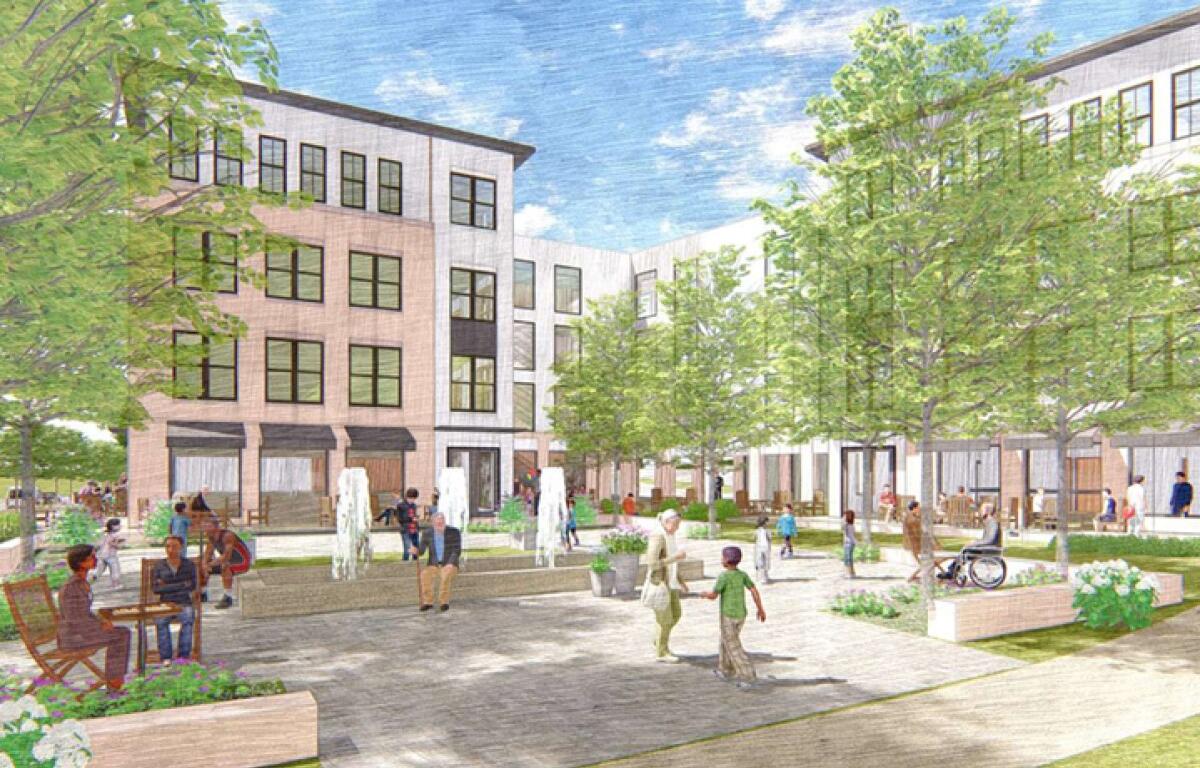

CHARLOTTESVILLE, VA (CVILLE RIGHT NOW) – The Albemarle County Board of Supervisors unanimously approved a performance agreement with Habitat for Humanity Charlottesville for the rebuild of Phase Two of Southwood, an 86-acre development that will have a maximum of 1000 units, during its Wednesday meeting.
In addition to the earlier county appropriation of $1.6 million from the Albemarle Housing Investment Fund (AHIF) for construction in Phase Two of 20 affordable rental units, this Performance Agreement commits Habitat toward construction of a minimum 227 of the new units to be affordable at 80% household AMI.
In return, the county will rebate $15,750,000 in the additional property tax generated over 20 fiscal years. as long as required milestones are met.
The milestones include achievements contained in the Code of Development which promises green space, residential and mixed-use, a residential village, and “neighborhood center special area” at Hickory St. and Old Lynchburg Rd.
“There’s also a hope a community center can be developed,” Samual Miller Supervisor Fred Missel said Thursday. “One comment that I made is the community center felt a bit wishy-washy in that they weren’t certain that it would be able to be executed, but they certainly do have a desire to do so and funding is an issue that will have to be in place in order to be successful.”
Phase One, which broke ground in September 2020, is being constructed on the previously undeveloped land which is part of the entire parcel Habitat purchased in 2007.
Phase Two, as Habitat for Humanity Charlottesville President and CEO Dan Rosensweig told the Board of Supervisors, is the redevelopment of the 86 acres on which the residents live. The work will be done without displacing residents from the Southwood community.
Rosenweig, in fact, shared with supervisors that some residents living in the Phase Two area have already relocated within the property, either in moved or new trailers, because of acute infrastructure problems where they were living.
The park is being rebuilt because of crumbling infrastructure, such as dangerously failing sewer and septic systems, crumbling roads, and deteriorating utilities.
He said the planning process for moving residents to other places in the community is done deliberatively.
“People have about a three- or four-year runway between when we know we’re going to develop and when we actually start to develop,” said Rosensweig. “The first thing they do is meet with financial coaches, we get a sense of what they want, not what they might be able to afford now but will able to afford three years from now, then they go through a community design process.”
Habitat made the rebuilding design process a collaboration between itself, planners, architects, builders, and the community. The community participation was a first, and now a prototype, for Habitat for Humanity work nationwide. Designed to encourage resident retention, it is Habitat’s most successful such initiative in the country.
“We have an 85% stay-rate right now, which means 85% of the people who were legacy residents in the park who, when it came time for their segment of the park to be redeveloped, they’ve elected to stay and they’re staying,” said Rosensweig. “HUD’s averages for Hope VI projects were about 13% staying across all projects in the nation.
“The data’s a little sketchy, but it’s between 13 and 29% or something like that.”
Habitat made its 2007 purchase because the deteriorating conditions in the 317-family trailer park were such that the owner then might have sold the Southwood Mobile Home Park, which is still Albemarle County’s only low-income housing development.
The property exists within a county development area, and new home and rental developments have been constructed over the past several years making this property attractive for a developer to purchase.
However, according to a Habitat description, the Southwood owner did give trailer owners the option to approach Habitat, which had purchased a smaller trailer park in the area at the time, the opportunity to purchase Southwood.
Southwood, indeed, agreed to purchase.
“You’ve heard over the last several years probably that there are numerous ways that we can try to support affordable housing and this is one of them, and it’s proven to be pretty effective,” Missel said. “If Habitat doesn’t meet their milestones, they don’t get paid, they don’t get the rebate, it’s really a completely performance-based model so there’s accountability built in.”
Since it’s a rebate of future property tax dollars, there is no immediate budget impact involving this agreement.