


 Listen Live
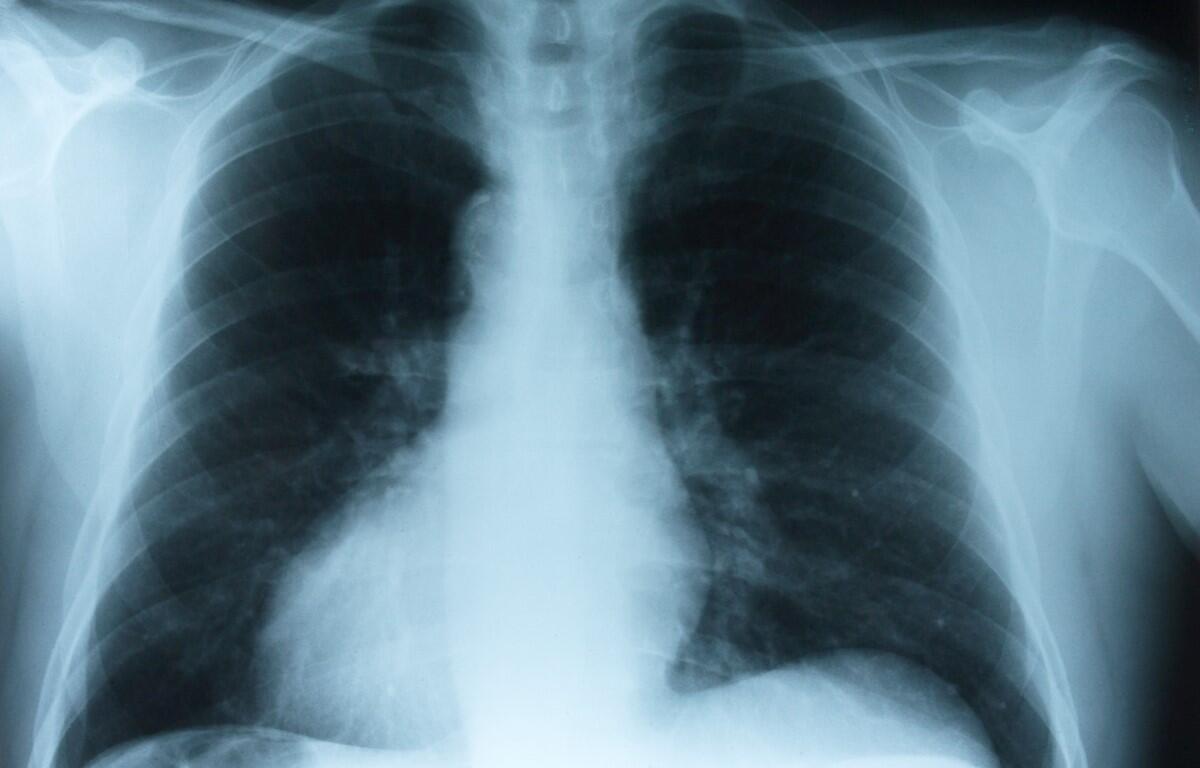

CHARLOTTESVILLE, VA (CVILLE RIGHT NOW) – With November marking Lung Cancer Awareness month, UVA Health nurse practitioner Aimee Strong, who specializes in early detection of the disease, told reporters on Friday that lung cancer screening protocols have loosened in the past five years and she expects screening protocols to change in the near future.
Strong added that with the new screening protocols come “many more treatments (are) available for people with all stages of lung cancer that we didn’t even have 5 or 10 years ago,”
“For a person who gets lung cancer screening or gets a CT scan of their chest for some other reason, and they’re found to have an isolated, small lung cancer that on the workup doesn’t appear to have spread anywhere else, these patients, when otherwise generally healthy, could be candidates for surgery to remove that part of the lung”, she said. “And at UVA, we do minimally invasive and robotic surgery for our lung cancer resections.”
She said at UVA, there are surgeons who do robotic surgery, but also minimally invasive video-assisted thoracic surgery with small incisions to remove a small portion of the lung that preserves as much healthy lung tissue as possible.
“For patients that can’t have surgery or don’t want surgery for some reason, the next best treatment would be a very, specific type of radiation therapy called stereotactic body radiation therapy,” Strong said. “That is a technique that is condensed into three to five visits, and it’s designed to target treating just the lung tumor and sparing the remainder of the lung tissue, so it’s much more advanced than the older techniques of radiation that we used to use.
“If people are going to require other treatments, like chemotherapy or some of the newer immunotherapy, we have a really great medical oncology team here at UVA that we work very closely with to provide access to cutting-edge immunotherapies that use the body’s immune system to fight the lung cancer.”
Screening protocols are important because there aren’t a lot of early warning signs that cause enough concern for people who have them, which makes lung cancer particularly deadly because it’s often caught late.
“Things that we tell people to look for are certainly changes to their breathing, that might be new shortness of breath or a new cough that doesn’t go away, and not like their normal cough they may have, or when we all get sick, we may have a cough that lingers for several days, but that should clear up or go away,” Strong said. “But if there’s a persistent cough that doesn’t go away, that might be a worrisome sign.”
She said there can also be more alarming symptoms that are harder to ignore, like coughing up blood. Even blood-streaked mucous should be checked by a doctor. If one coughs up a lot of blood the patient should visit an ER immediately.
Other early symptoms could be newfound pain in the chest and losing a weight suddenly without meaning to.
“I’d say if you lose 10 pounds in a month without trying, you should contact your provider,” she said.
As for risk factors, Strong said smoking is known to be a huge contributing factor, but 20% of patients who develop lung cancer have never smoked.
“The second leading cause of lung cancer in the United States is actually radon gas, which is a natural radioactive gas that can accumulate in the basements of our homes,” she said. “It’s naturally occurring in various parts of the country and can seep into cracks in patients’ foundations of their houses.”
It’s odorless and colorless, so radon testing is recommended by the American Lung Association every 2-5 years.
Strong described other areas of exposure associated with risks.
“People can be exposed to asbestos from a variety of reasons, and we see silica dust exposure as a risk factor for lung cancer,” she said. “Diesel exhaust (exposure is another risk factor), so I always think about people who are long-distance truck drivers or dump truck drivers that are really breathing in a lot of diesel exhaust over the years.”
Also, people who’ve had radiation in their chest area for treatment of a different cancer, such as breast cancer, can also develop lung nodules. Finally, she said there can also be a genetic factor increasing risk such as someone’s parent or sibling who had developed lung cancer.