Listen Live

CHARLOTTESVILLE, VA (CVILLE RIGHT NOW) – The roof over the chapel leaks, as do the pipes in the ceiling in what used to be the soup kitchen. People seeking shelter are sometimes turned away because of a lack of space, and the soup kitchen closed to the public last month.
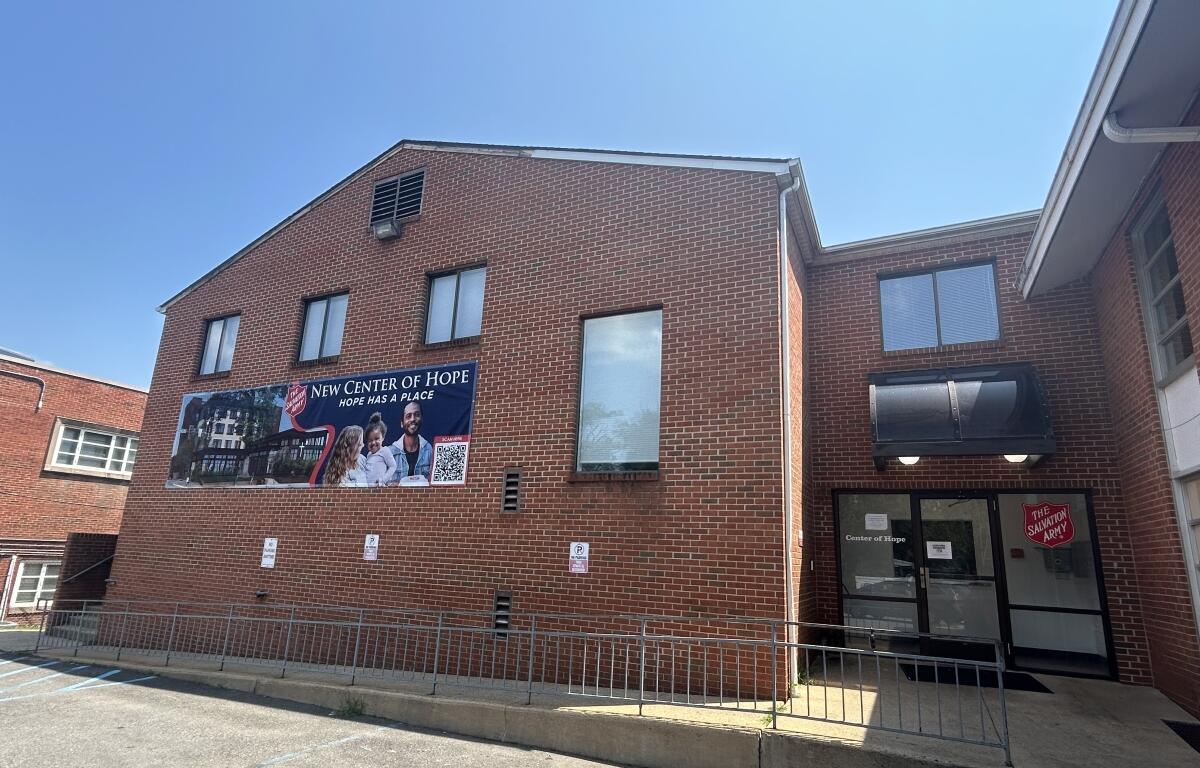
The Salvation Army’s Center of Hope facility on Ridge St. in Charlottesville is in desperate need of renovation, and the organization is in the final stretch of a fundraising drive to do that.
Now, it needs to raise $6.3 million over the next 21 days, Director of Development Aimee Andrews said Monday. She pointed out, the facility – even in its current state – is getting remarkable results.
In July, 27 Center residents moved out and into their own, independent housing.
“That’s what this work is about,” Andrews said. “At the same time, we’re doing that work in buildings that are in serious disrepair. Some of the facilities date back to the 1960s and the condition of those buildings is affecting what we’re able to do for people every single day.”
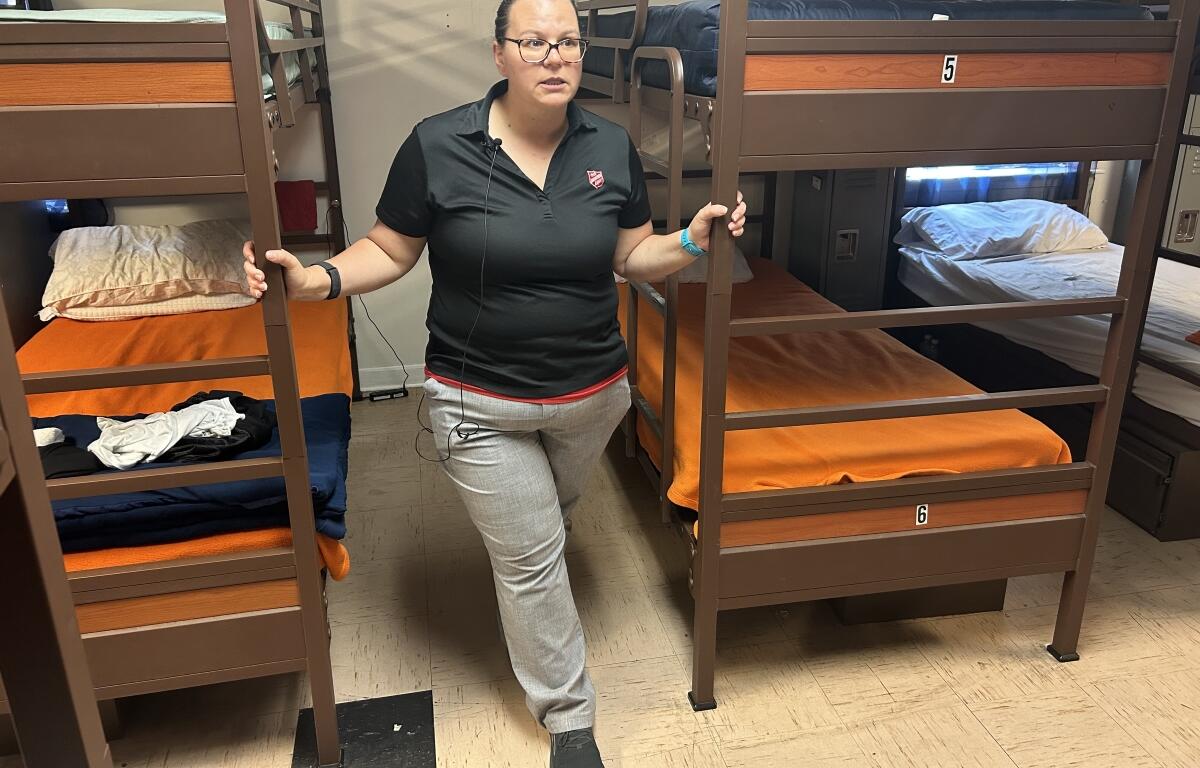
There is currently space for 55 people in the men’s and women’s shelter spaces, plus room for about a dozen more in the family shelter area.
The campaign launched 3 ½ years ago, Andrews said, and needs to wrap up in three weeks. Andrews declined to say what falling short of that goal would mean for the project.
“We’ll get the $6.3 (million),” she said. “We’re going to get that.”
If the Salvation Army is successful, Andrews said the hope is to break ground on the new facility in 2027. It’s expected to take 18 months to complete, with a total cost of $28.2 million, $22 of which is for the building.
There’s another $2.2 million in an endowment for operational costs, $2 million for furnishings and supplies and $2 million for contingencies, Andrews said.
The new Center of Hope will be built on the same property it currently occupies. The three current buildings will be knocked down to build one, comprehensive facility with the men’s and women’s shelter, the family shelter, the soup kitchen, the chapel, classrooms, and administrative offices.
“We like to consider ourselves a program that helps them, not just get off the street but be self-sufficient going forward,” Director of Social Services Heather Koontz said.
The soup kitchen would move to the front of the building, at the Ridge St. entrance.
“It’ll be more welcoming to everybody,” Koontz said.
But first, the Salvation Army needs the funds to make the vision a reality.
The state biennial budget included a $7 million allocation to the city to address transitional housing for the homeless population. Sen. Creigh Deeds told Cville Right Now on Monday he had requested $9.1 million for The Salvation Army project, and another $2 million for the city’s proposed low-barrier shelter.
He said, in the final budget, the Commonwealth allocated $7 million for both asks and that Charlottesville City Council gets to decide how to use the funds.
He said getting the proposed low-barrier shelter at Holiday Dr. operational needs to be a priority, to “meet people where they are.”
But he said the Center of Hope is a valuable piece of the region’s effort to deal with the homeless issue.
“It’s going to have a huge impact,” Deeds said. “The Salvation Army will provide invaluable services in terms of helping people rebuild and get their lives going. I’m really encouraged by the efforts going on there.”
At the most recent City Council meeting, City Manager Sam Sanders indicated $3 million of that would be going to the Salvation Army’s Center of Hope project. City spokesperson Afton Schneider told Cville Right Now on Monday that approving that amount is part of the Council’s agenda for its Aug. 17 meeting.
“I think the city’s going to be extremely fair to the Salvation Army,” Andrews said. “We’ve been working with them for a long time.”
Even with the state funding, there would still be over $3 million the Army needs to raise.
When work on the new Center does begin, the organization will need to find an alternative space to house and feed its residents, Andrews said.
“That’s extremely important to us,” Andrews said. “The longer a capital campaign takes and we talk about that, we’re not talking about how we’re going to transition and take care of those that need us right now.”