


 Listen Live
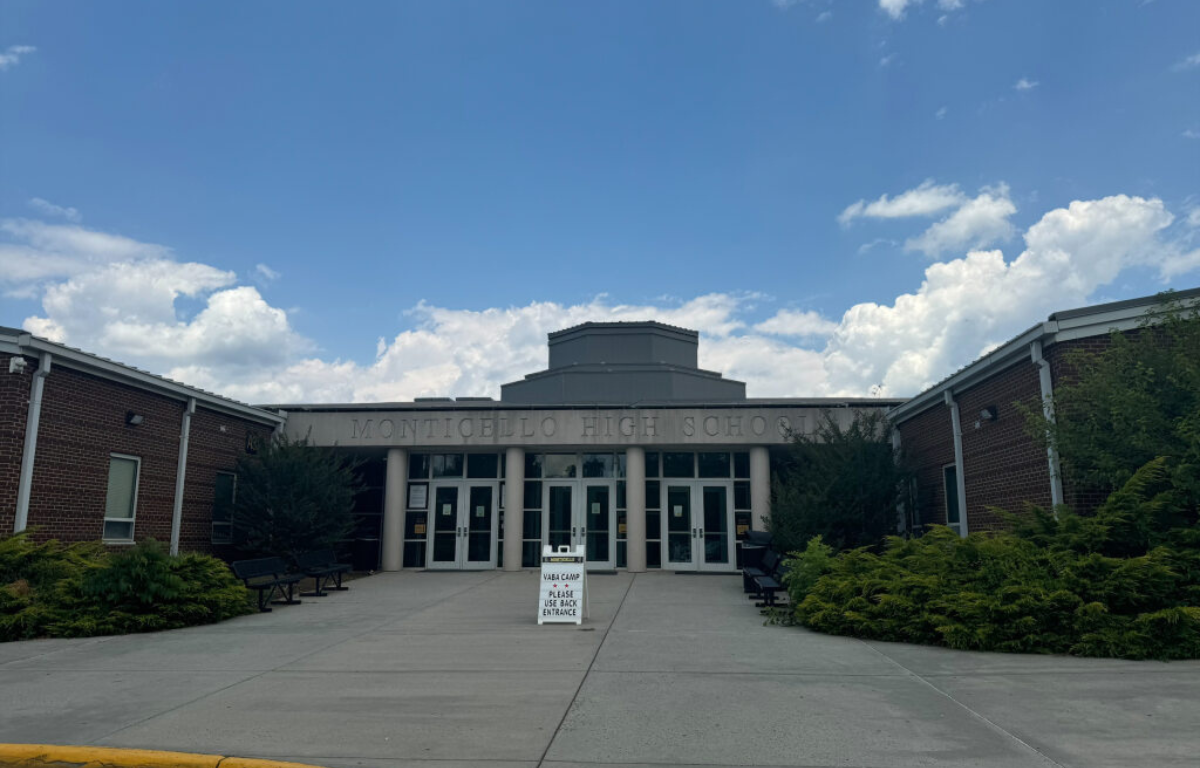

CHARLOTTESVILLE, VA (CVILLE RIGHT NOW) – As all the school systems in the area will be back in class by Wednesday, including Albemarle County and Charlottesville, a UVA Health child psychologist has offered a number of ways to help children going through anxiety about the start of school.
Greene and Madison counties go back to school Tuesday, and Charlottesville, Albemarle, Fluvanna, Louisa, Nelson, Augusta, Waynesboro, and Staunton all go back to school Wednesday.
That means every area school system will be back in class by Wednesday.
“I think about both excitement and anxiety around back-to-school as developmentally normative,” said Emily T. O’Gorman, PhD, Assistant Professor of Developmental Pediatrics in a UVA Health reporters’ conference call. “So especially in kids, who are younger, or who have a bigger transition coming up, like going to middle school to high school, I would think of it as a developmentally typical experience.”
She said the anxiety is not a sign that anything’s wrong, but just a sign they’re paying attention to something new.
While “subclinical back-to-school anxiety” is common across all age groups, the drivers are different across the age groups, according to Dr. O’Gorman.
“Younger children, like preschool to early elementary, would more often experience anxiety around, like, the separation from a caregiver,” she said. “And then as children get into later elementary school and adolescence, the social drivers, academic pressures show up more.”
Across all age groups, Dr. O’Gorman said, “Changing schools or moving, having a friend move, those kinds of things would tend to bring up more of that back-to-school anxiety.”
Dr. O’Gorman said there are strategies to help across all age groups.
“We want parents to listen calmly, we want parents to validate the emotion, and also reinforce the child’s ability to cope, even if or when they’re anxious,” said O’Gorman. “So I’ll often tell parents that the formula for supporting an anxious child is acceptance plus confidence. If we leave one of those pieces out, we’re missing a very important piece of the support.”
“So in practice, this might sound like, I know your stomach hurts, and you feel nervous, I also know that you’ve got this. So it has that acceptance or validation of the feeling, but also the confidence that they can handle it.