


 Listen Live
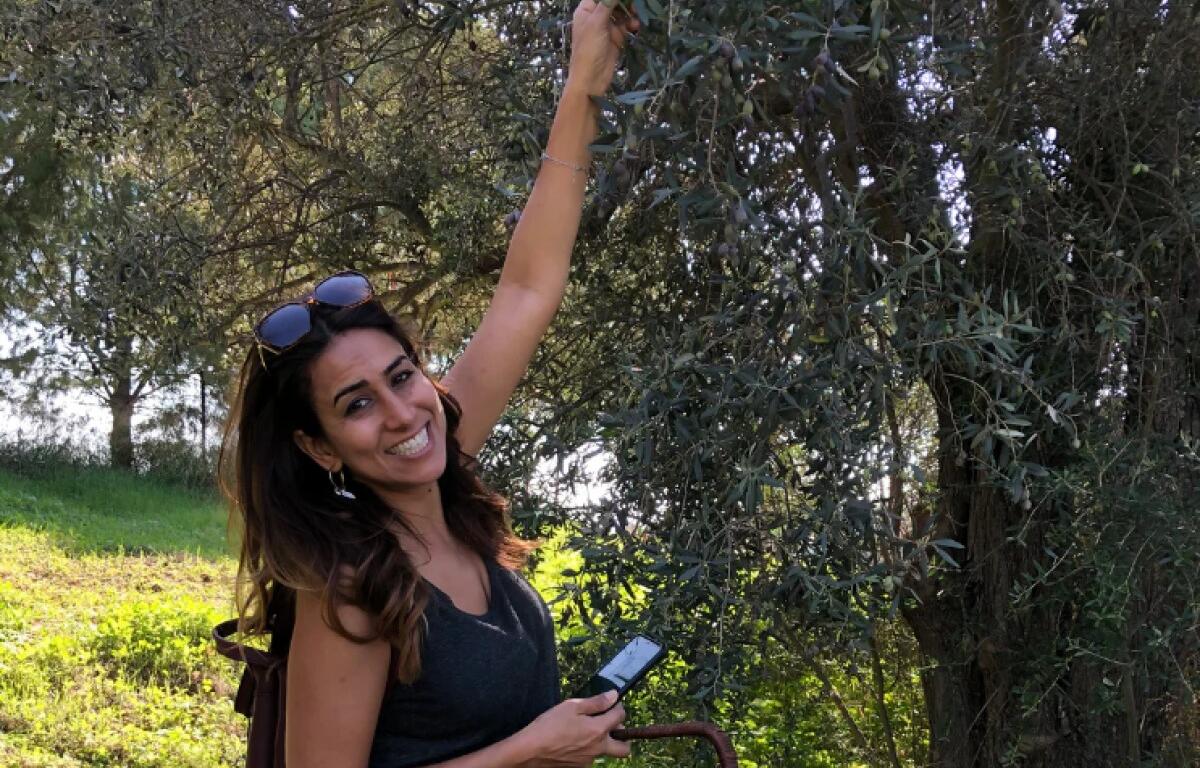

CHARLOTTESVILLE, VA (CVILLE RIGHT NOW) – Operating out of an area that’s recognized as a top wine region in the world, a local entrepreneur and PBS podcaster is taking the wine flight approach to selections of olive oils people use in food flavoring and cooking.
Claudia Hanna-Veysel has also been spreading her knowledge of the health benefits and tastes of olive oil through classes at the University of Virginia and James Madison University.
“You know, everybody thinks of olive oil as just healthy. It is, but ‘yes but’. There are 2000 different varieties of olives in the world and not all are consumable with 50o-to-600 of those varieties,” Hanna-Veysel told Cville Right Now.
Hanna-Veysel’s expertise has grown over her lifetime as she describes her Egyptian-Greek mother “drizzling golden olive oil over a warm pita,” or her Cypriot mother-in-law becoming a mentor to Hanna-Veysel “in understanding the nuanced differences between first-press oils from various villages in Cyprus’s Troodos Mountains”.
Later in life, working a management consultant and financial professional, she found herself looking for a different calling and moved to Cyprus where she lived among olive groves and cultivated her experience with different types of oils made there from the different olive varieties.
She has harvested that knowledge she acquired into short courses which she crafted into “If This Food Could Talk” podcasts, and into, first, the JMU classes followed by those at UVA.
“I use the same flight concept we’re used to here in the West, we don’t say always says we want red wine or white wine,” she said.
“Yes, sometimes we do say we want a glass or red wine or white wine, but then we elevate it and say we want a cabernet sauvignon or a glass of chardonnay.”
Wines are made from different grape varieties, which have different flavor profiles based on soils and climates in which they’re grown.
“Olives are exactly the same, and I want people to start thinking of olives with their variety because each because each varietal of olives has its own unique flavor,” she said.
“Where it grows also contributes to its flavor, whether fruity, nutty, peppery, or bitter, and those are some of the characteristics to describes olives and olive oil.”
Hanna-Veysel challenges the consumer to go into the supermarket and see if they have among the olive oils the cultivar, the koroneiki, the piqual, the biancherra, the nocerella.
“These are some of the hundreds of olives that exist and I want us to start respecting olive oil in the same way respect wines, beer, bourbon.”
She noted so many supermarket varieties are combinations that are not properly shelved and packaged.
Olive oils are broken down by too much ultraviolet light, and don’t do well in the plastics.
She said the best way to purchase olive oils that keep the flavors and healthful characteristics are in dark-colored glass containers.
Even if purchasing them at supermarkets, she advises selecting the oils that are on the lower shelves and toward the back which are not under the light.
When you select varieties, different ones go best with different foods.
“So if I’m making steak for my family versus salmon versus salad versus soup, I pull different oils based on what I’m cooking, and that is what I teach at UVA, that is what I teach at JMU. and that is what is really resonating with people,” Hanna-Veysel said.
Olive Oil Flights sells just that, flights of three that can be purchased one flight at a time or on a subscription basis.
And she recommends doing with those oils as you get them what you would do with tasting a red wine variety.
One exception is pouring a taste in a shot glass, which one doesn’t do with wine, but like a red wine the taster is encouraged to warm the taste in the glass up a little with their hand.
“Then take a nice whiff, you want the aromas to be warmed up in your hand, then take a swig and think what it tastes like,” she said.
“Roll it around on your tongue, and do you get the notes of almond, notes of artichoke, or get notes of banana or tomato or asparagus.”
Then she said, “When you swallow, do you feel a burning sensation in the back of our throat? That is what you want with a fresh extra virgin olive oil.”
“That means it has been freshly pressed; it is not an old olive oil because those are the antioxidants and polyphenols which are the anti-inflammatory agents for your belly and your heart that makes olive oil so healthy.”
Then finally after one has swallowed, they find if it has a clean finish because if it stays residually oily after swallowing, that is an old oil.
Hanna-Veysel said that latter experience is what you’re most likely to have with many of the supermarket varieties, and she’s not saying throw it out.
She noted that just doesn’t have the full health and taste benefits and is most effective if one’s just throwing it on a frying pan.
“But if you’re trying to get the two-to-three tablespoons for your heart health, for your gut health, make sure that you get the burn in the back of the throat and your tongue feels nice and clean.”
For Olive Oil Flights, Hanna-Vesel sources her product from sustainable female-owned farms across the Mediterranean.
The actual producers are posted on the website, on which is added, “Our mission is to create direct connections between you and the farmers whose families have been pressing olives for generations. We believe in honoring these producers by providing fair compensation and sharing their remarkable stories. By importing directly from the groves, we bypass the lengthy distribution chains that compromise quality. This means our oils travel straight from the press to your kitchen, preserving their peak freshness, flavor, and nutritional value.”
Thursday, June 4, Hanna-Veysel will show that olive oil and wine flight marriage at King Family Vineyard where she will present olive oil varieties and flights where one can also experience the wine flights, as well.
They deliver direct to the door off online ordering, but they’re also at local stores like Foods of All Nations, the UVA Bookstore, Wine Warehouse, The Virginia Store at Barracks Road Shopping Center, and they’re working on getting into some of the food co-ops around town.