


 Listen Live
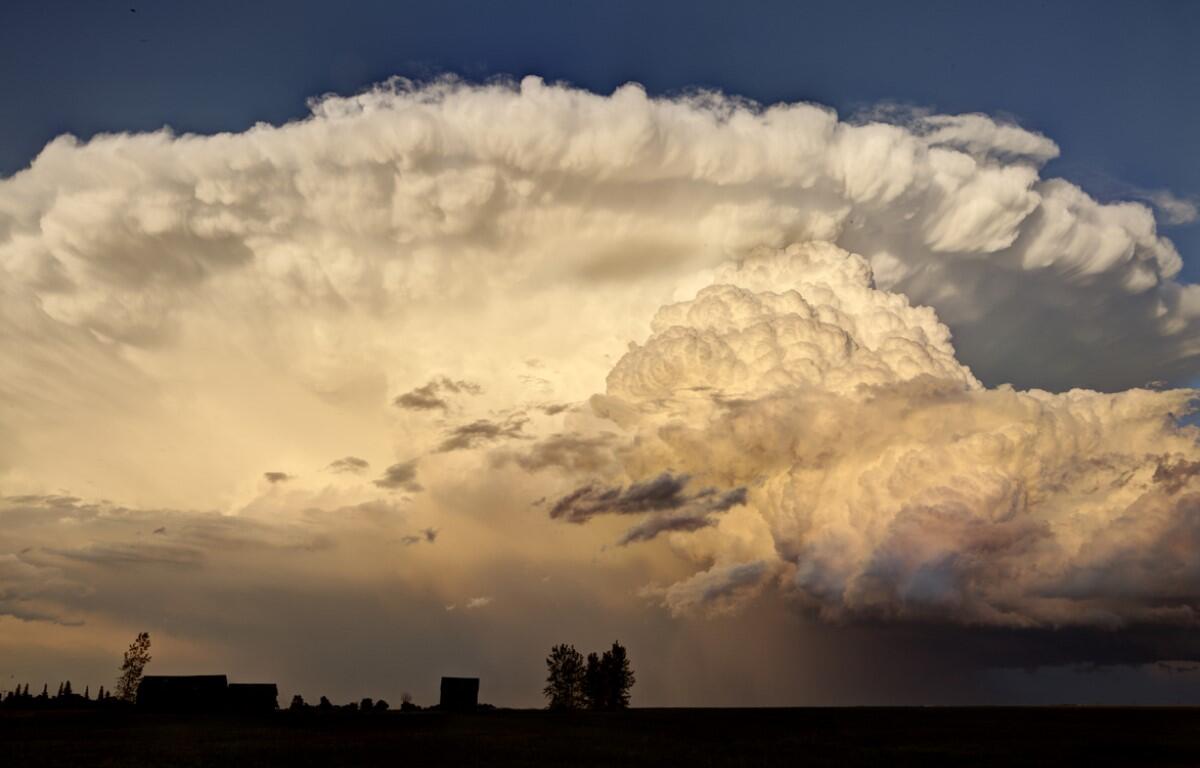

CHARLOTTESVILLE, VA (CVILLE RIGHT NOW) – Urging no one to let their guard down, Accuweather meteorologist Jason Caterina told WINA Morning News some storms ahead of the main line of thunderstorms on the leading edge of a strong cold front could reduce severe impacts in the Charlottesville area.
Monday’s forecast warned of destructive wind gusts and the possibility of tornadoes.
“There’s a lot of clouds around right now, and really what you want to get severe weather cooking is instability in the atmosphere, and to get that you need warm temperatures, you need the atmosphere to be churning and stuff,” Caterina said.
The issue in the midmorning was cloudy skies, some rain showers have moved through, and there were severe thunderstorms already around Roanoke and Lynchburg down into North Carolina.
“That’s going to sap some of the energy out of the atmosphere already ahead of the cold front, so if we get some of that shower action or even an early thunderstorm and it stays cloudy, we’ll have a lesser chance of severe weather,” Caterina said.
“Now, the chance is still there, don’t discount the chance of severe weather today.”
Caterina said, “If we can get some breaks in the clouds as we go through the afternoon with some sun peeking out, you’ll get what’s called differential heating which is heating in different spots and you’ll get the atmosphere starting to churn and turn and that helps the instability to build up and storms to fire up.”
The highest percentage chance in severe storm is damaging straight line winds, with tornadoes a possibility as well, according to Caterina.
The cold front will be sweeping the East Coast by Monday afternoon which, combined with temperatures rising through the day and a wave of low pressure, could cause “additional instability for the already volatile situation,” according to the National Weather Service, which issued a severe weather warning Sunday for Monday.
“The cold front will be moving off the East Coast by Tuesday morning, bringing windy and sharply colder weather into the entire eastern
U.S.,” the NWS said.