


 Listen Live
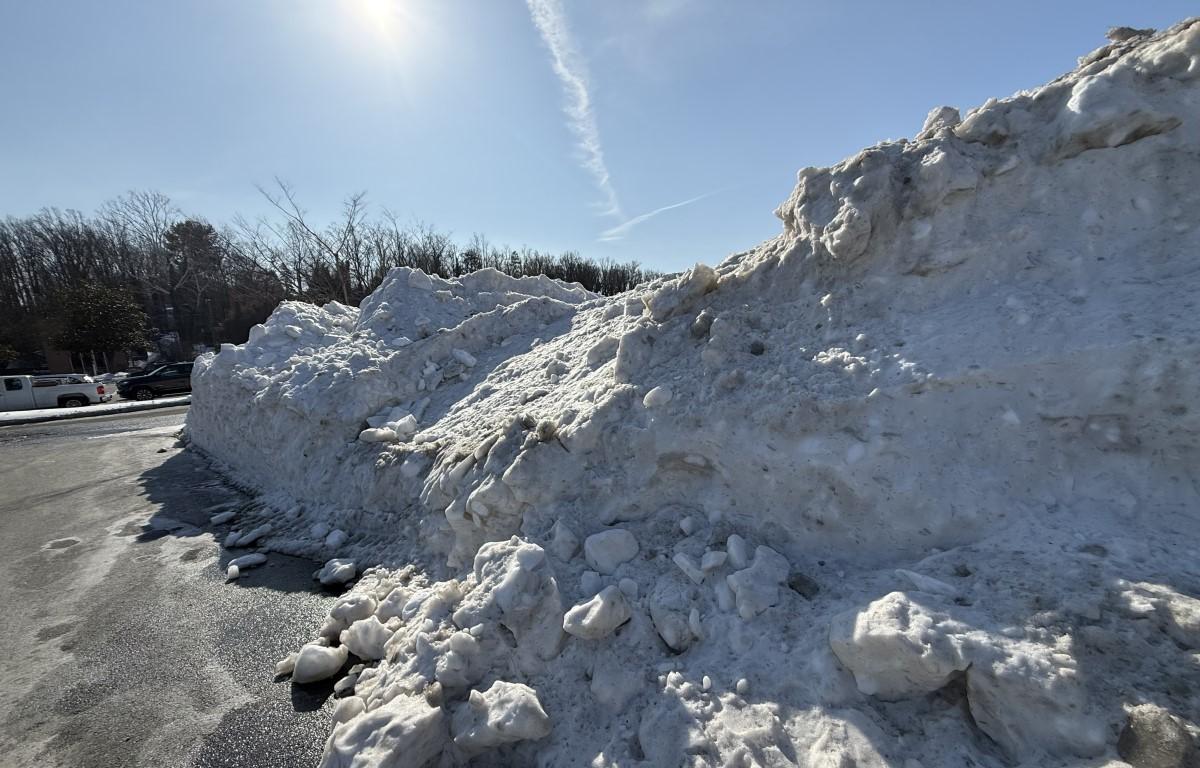

CHARLOTTESVILLE, VA (CVILLE RIGHT NOW) – With temperatures well into the 50s the last couple of days in the Charlottsville area, Accuweather long-range forecasters predict the worst of the winter cold is now left behind.
“As we have progressed with a higher sun angle and more hours of daylight, even if we do see a disruption of the polar vortex, I think these will be more glancing blows and won’t be as extreme as we enter into the back half of winter,” Accuweather meteorologist Brandon Buckingham told Cville Right Now.
Buckingham said there’s potential for Valentine’s weekend storm bringing snow to the Appalachians and points west and northward, “But at least for the next week or ten days temperatures definitely trend toward average.”
With weekend highs in the mid-40s, any precipitation that falls in our area would be rain.
“We will be keeping an eye as we heard toward March if there is a disruption of the polar vortex for maybe a couple of days, as well as the ocean temperature for potential of any cold air damming events,” Buckingham said. “That’s when we might see that chilly, gray, cloudy skies that occasionally sop in east of the Appalachians for a few days.”
“This will likely be the most expensive winter in years for millions of people across the eastern half of the country. In some areas, this was the costliest and most disruptive winter in at least the last decade or longer,” Accuweather long-range forecaster Paul Pastelok explained in a release. “The combination of higher heating costs, inflated energy bills, snow and ice removal, travel disruptions, lost work and school days, and childcare challenges created real financial strain for millions of families across the eastern U.S.”
An AccuWeather analysis found that heating demand increased 115 to 150 percent across the eastern and central U.S. from Jan. 15 to Feb. 8.
AccuWeather experts estimate the deep freeze that reached parts of central and South Florida earlier this month likely damaged or destroyed 8 to 10 percent of the citrus crop that was on the trees.
A historic winter storm that impacted more than 200 million people with snow, ice and dangerous cold impacts across more than two dozen states in January resulted in total damage and economic loss of $105 billion to $115 billion, according to a preliminary estimate from AccuWeather experts.
Widespread cold and a bomb cyclone that brought more than a foot of snow to parts of the Southeast and mid-Atlantic resulted in total damage and economic loss of $13 billion to $15 billion, according to a preliminary estimate from AccuWeather experts.