


 Listen Live

CHARLOTTESVILLE, VA (CVILLE RIGHT NOW) – The major snow-turned-ice storm is good news and bad news for Virginia farmers. With ice unlikely to melt for weeks, the soil below the thick level of snow and ice is dealing with a drought. But that pace means soil won’t be flooded.
“We have so much snow and ice on top of it, and obviously, this is going to mean a lot to Virginia agriculture,” On The Farm Radio’s Jeff Ishee said. “It doesn’t look like it on the surface, but there is a very serious drought going on. The point is, it’s going to take weeks and weeks for this cover to melt and get into the groundwater table and become usable by farmers. So, farmers are upset in one regard, but in the other regard, they’re happy that it’s going to be a slow melt.”
There are multiple downsides to the seemingly shatterproof ice/snow hybrid spread across Virginia, many of whose farmers have been saddled with safety issues for both them and their animals.
Dairy production is a staple in the Shenandoah Valley. Albemarle County, meanwhile, boasts a robust equestrian community featuring numerous boarding, training, and breeding facilities. Whether bovine or equestrian, the animals can’t graze so they need both thawed water and feed, both of which are hard for cattle and dairy farmers to deliver, Ishee said.
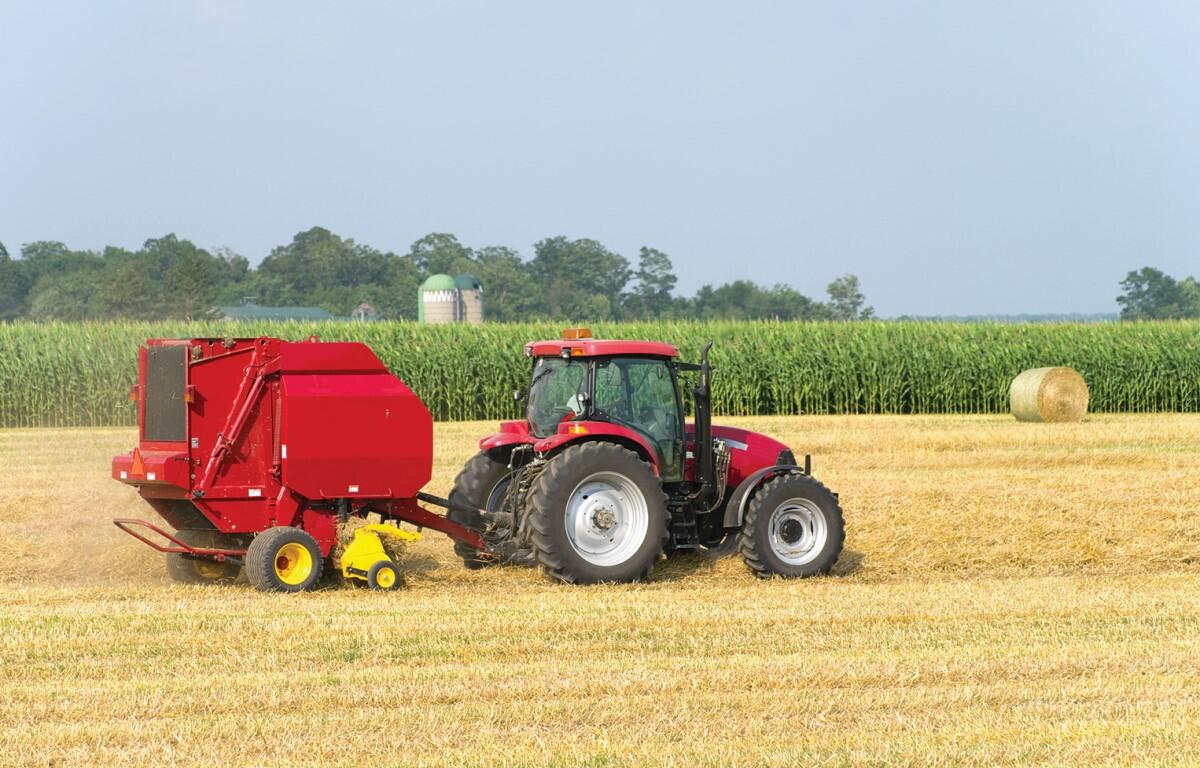
“What they don’t like is having to go out and care for animals on pastures that are as slick as a skating rink,” Ishee said. “Matter of fact, I’m getting anecdotal reports of numerous farms that have animals that are down, that have gone lame because they have slipped and fallen on the ice, and there’s no way to access the animals. Say, for instance, they’re in the back of a pasture. You can’t get to them to provide them with feed. The tractor will literally slide across the field and ultimately crash at some point.”
Snow eventually melting deep into the soil will protect the future of all ground crops, including grapes, peaches and apples, he notes, all of which are grown locally.
While there are hazards and challenges in the short run, Ishee said the future is brighter than it was before the snow.
“It’s going to be gradual. None of this is going to go downstream to the Chesapeake Bay,” Ishee said. “It’s going to seep into the ground at a very slow rate, and that is a good thing for farmers in our region.”