


 Listen Live
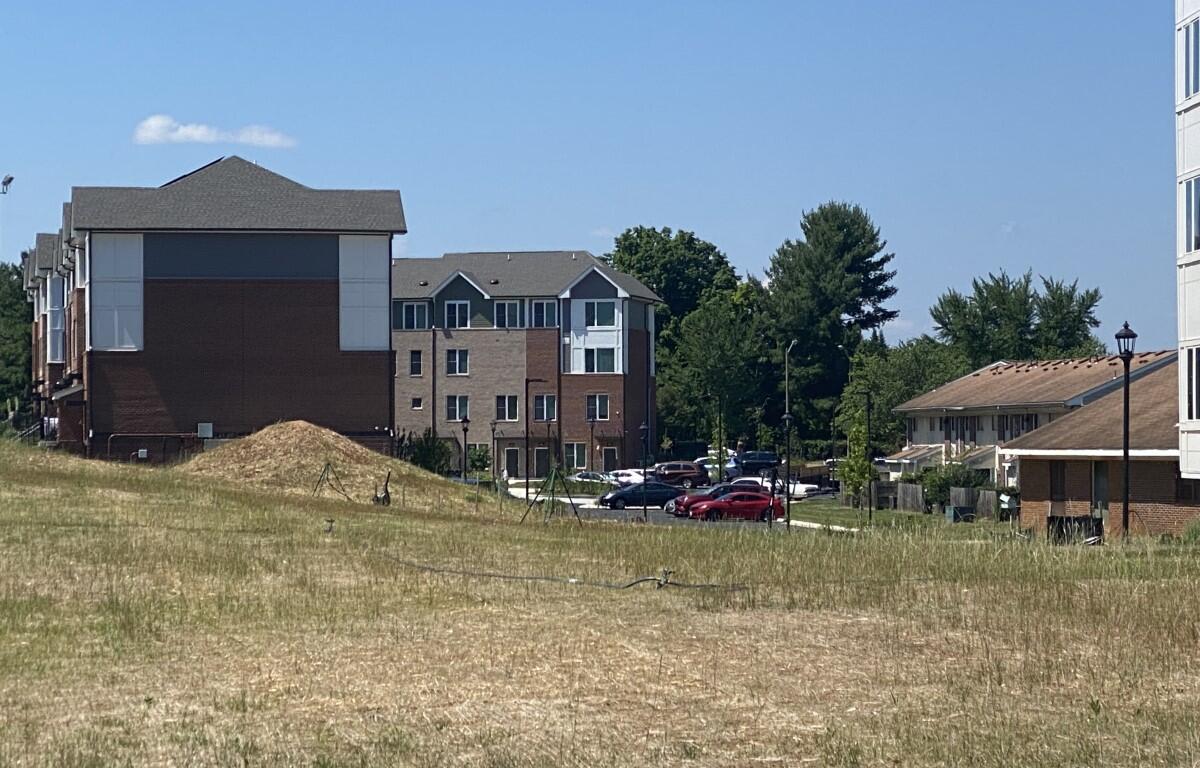

CHARLOTTESVILLE, VA (CVILLE RIGHT NOW) – City Manager Sam Sanders has told City Council the Kindlewood redevelopment project is “at a crossroads”.
Phase 2 of the construction is happening now, and Phase 3 will begin shortly, but planning for the fourth and final phase is in trouble without additional money.
Phase 4 promises to build 131 affordable units with $4.5-million dedicated out of the Charlottesville capital improvements plan fund.
“I think the way we all look at Kindlewood is the city has deeply invested in this project,” Sanders said. “We currently have $4.5-million committed in the CIP for Phase 4, and there is a $3-million funding gap to get to the number of units that are expected based on the original agreement.”
Sanders said the 131 units that are supposed to be built in Phase 4 would bring the total development to 425 units, which is the bottom of the amount for which the city has asked.
“With no additional funding, there is an indication they do not see being able to produce the 425 units and the number would be 388 units instead,” Sanders noted.
The extra money would need to be injected into the 2027 budget on which work has begun constructing.
Sanders said, “We know this is going to require some conversation, and we’re reworking out work session schedule, the first wave of your work session discussions for the new year.”
The City Manager noted each phase has had some sort of issue that has required revisiting.
“Kindlewood is a very complicated project, I’ve been talking about this my whole tenure here about how complicated this project here and I could have said that from Day One,” Sanders said.
“I think what we have found is at each phase we’ve had to come back to the drawing board to figure out what next, what next, and what next.”
Sanders concluded, “Most of it is we’re in a time that things are changing so rapidly, and it’s very expensive to do the things we have dreamed of being able to do here.”
The Kindlewood work session is likely happening in January.
Kindlewood is the ongoing $68-million rebuilding of what had been known as Friendship Village, a 150 unit low-income housing development that had fallen into ill repair.
Piedmont Housing Alliance has helped oversee rebuilding the development into some three times more units than Friendship Village, and with zero displacement during the construction.